



GYXTW: Inside the Center Loose Tube Optical Fiber Cable
author: TTI Fiber
2023-12-19

Center Loose Tube Light-Armored Optical Fiber Cable: The Structure and Characteristics of GYXTW
In the rapidly developing field of information technology, optical fiber communication has become an
essential pillar of modern communication systems. Among the various components of an optical fiber
communication system, the optical cable serves as the primary carrier for transmitting optical signals.
One common type of optical cable is the Center Loose Tube (CLT) Light-Armored Optical Fiber Cable,
commonly known as GYXTW.
essential pillar of modern communication systems. Among the various components of an optical fiber
communication system, the optical cable serves as the primary carrier for transmitting optical signals.
One common type of optical cable is the Center Loose Tube (CLT) Light-Armored Optical Fiber Cable,
commonly known as GYXTW.
Structure of GYXTW Cable
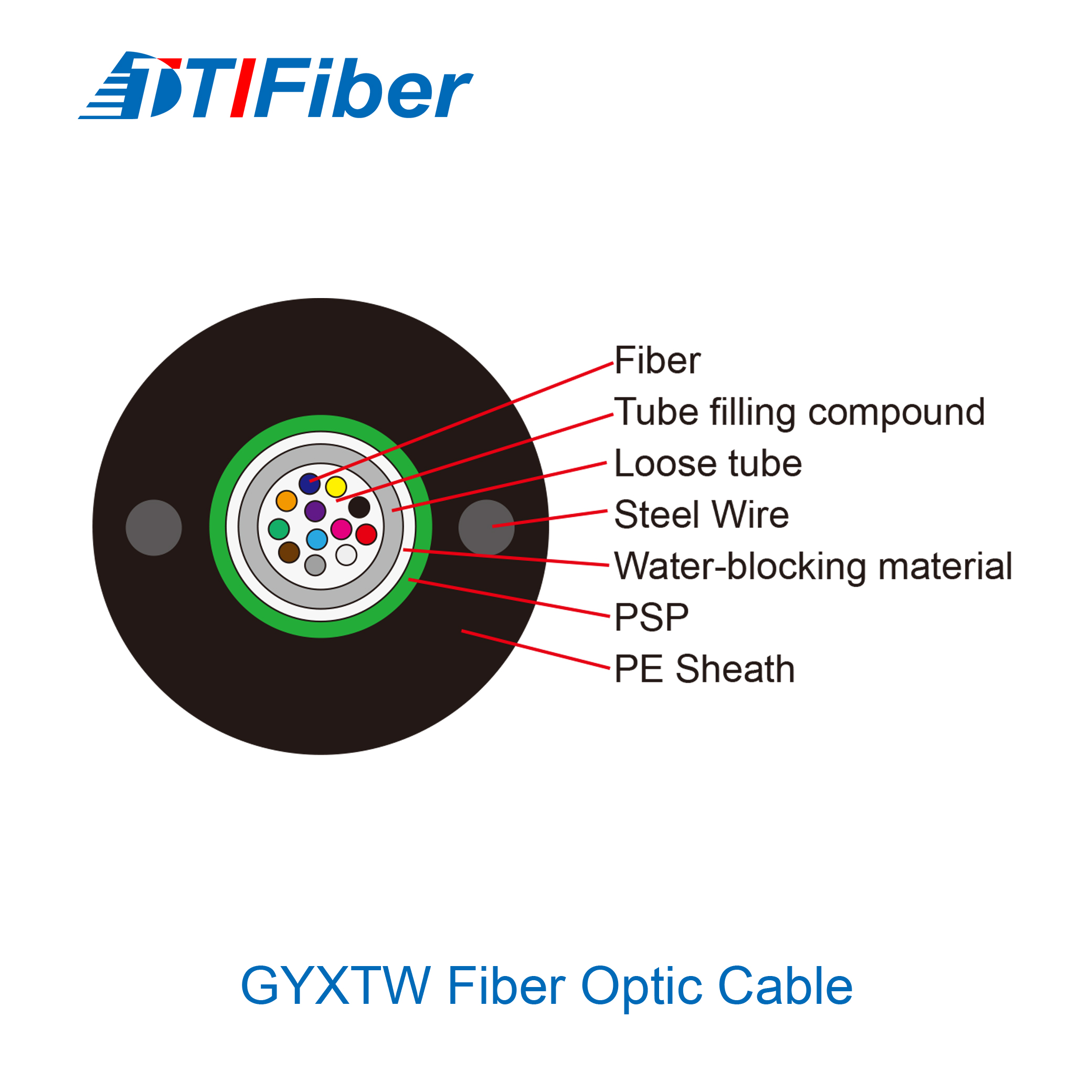
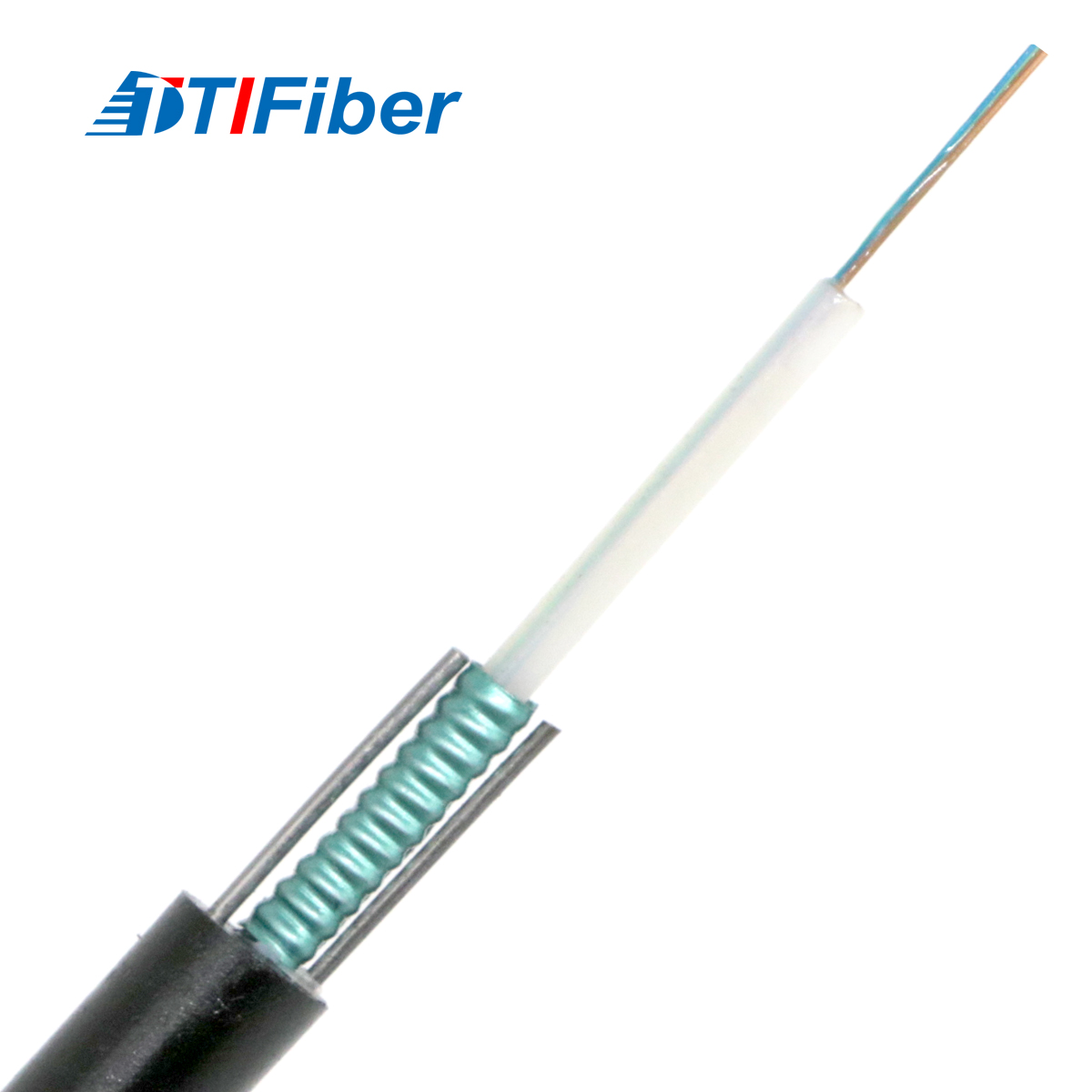
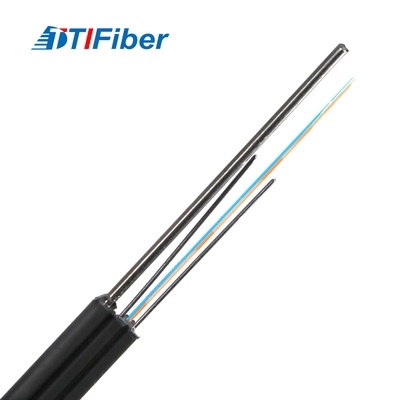
The GYXTW cable is constructed with a central loose tube, which houses the optical fibers, surrounded by a
high modulus material. This tube is then enclosed by a water-blocking material to ensure the cable's resistance
to water intrusion. A double-sided plastic-coated steel tape (PSP) and a polyethylene jacket further protect
and secure the cable.
high modulus material. This tube is then enclosed by a water-blocking material to ensure the cable's resistance
to water intrusion. A double-sided plastic-coated steel tape (PSP) and a polyethylene jacket further protect
and secure the cable.
Characteristics of GYXTW Cable
1.Mechanical Properties: The GYXTW cable exhibits excellent mechanical properties, able to withstand
significant tensile and bending stresses. This makes it suitable for deployment in complex environments
and under severe weather conditions.
2.Water Resistance: The inclusion of a water-blocking material within the loose tube ensures that the
cable is resistant to water intrusion, maintaining stable transmission performance in damp environments.
3.Environmental Durability: The use of high-modulus materials in the construction of the cable provides
resistance to corrosion and aging, making it suitable for deployment in various harsh environments.
4.Transmission Performance: The central loose tube design minimizes bending losses in the optical fibers,
enhancing both the transmission distance and speed.
5.Easy Deployment: The relatively small diameter and weight of the GYXTW cable facilitate its deployment
and maintenance, making it suitable for use in various complex and terrain-specific deployment scenarios.

significant tensile and bending stresses. This makes it suitable for deployment in complex environments
and under severe weather conditions.
2.Water Resistance: The inclusion of a water-blocking material within the loose tube ensures that the
cable is resistant to water intrusion, maintaining stable transmission performance in damp environments.
3.Environmental Durability: The use of high-modulus materials in the construction of the cable provides
resistance to corrosion and aging, making it suitable for deployment in various harsh environments.
4.Transmission Performance: The central loose tube design minimizes bending losses in the optical fibers,
enhancing both the transmission distance and speed.
5.Easy Deployment: The relatively small diameter and weight of the GYXTW cable facilitate its deployment
and maintenance, making it suitable for use in various complex and terrain-specific deployment scenarios.
In summary, the Center Loose Tube Light-Armored Optical Fiber Cable (GYXTW) offers exceptional mechanical
properties, water resistance, environmental durability, and transmission performance. It has found widespread
application in optical fiber communication systems, playing a crucial role in supporting the advancement of
modern communication technologies.
properties, water resistance, environmental durability, and transmission performance. It has found widespread
application in optical fiber communication systems, playing a crucial role in supporting the advancement of
modern communication technologies.
GYXY Cable: An Essential Component in Communication Networks
Understanding the Importance of All-Dielectric Self-Supporting Optical Fiber Cable (ADSS)
Related Article

Unarmored cables, by contrast, rely solely on buffer tubes, strength members (like aramid yarn), and the outer jacket for protection. They’re lighter, more flexible, and easier to terminate—but far more vulnerable to mechanical stress.
Differences Between Armored and Unarmored Fiber Optic Cable
When we stream 4K video, join a global video call, or access cloud AI models in real time, it’s easy to forget the quiet miracle beneath it all: a hair-thin strand of glass, stretching across oceans and cities, guiding pulses of light with near-perfect fidelity. But this “magic” isn’t magic at all. It’s the result of centuries of optics, decades of materials science, and relentless precision engineering—all converging to turn sand into speed.
Science Behind High-Speed Optical Fiber
Because the fiber isn’t just a tube of glass—it’s a precision optical waveguide designed to exploit a fundamental law of light: total internal reflection.
Why Does Not Light Just Leak Out the Sides of the Fiber
The answer isn’t that light is indestructible. It’s that modern optical fiber has been engineered to the very edge of what physics allows, minimizing every possible way a photon can be lost. But what, exactly, causes light to fade in the first place—and how have we tamed those forces?
Why Does Light Travels Through Fiber