



Home Solution
catalogs
Subscribe to our Newsletter
 2026-07-15Differences Between Armored and Unarmored Fiber Optic CableRead MoreUnarmored cables, by contrast, rely solely on buffer tubes, strength members (like aramid yarn), and the outer jacket for protection. They’re lighter, more flexible, and easier to terminate—but far more vulnerable to mechanical stress.
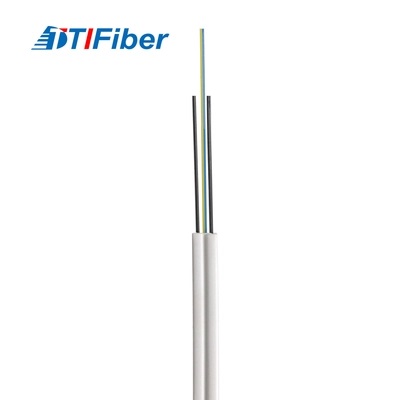 2025-12-02Science Behind High-Speed Optical FiberRead MoreWhen we stream 4K video, join a global video call, or access cloud AI models in real time, it’s easy to forget the quiet miracle beneath it all: a hair-thin strand of glass, stretching across oceans and cities, guiding pulses of light with near-perfect fidelity. But this “magic” isn’t magic at all. It’s the result of centuries of optics, decades of materials science, and relentless precision engineering—all converging to turn sand into speed.
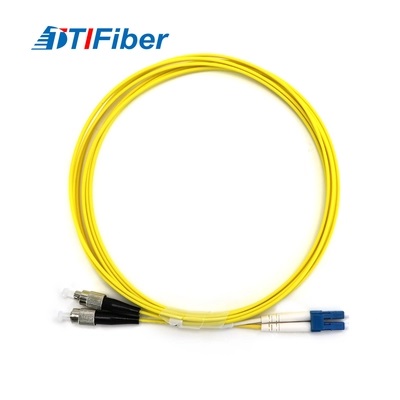 2025-12-02Why Does Not Light Just Leak Out the Sides of the FiberRead MoreBecause the fiber isn’t just a tube of glass—it’s a precision optical waveguide designed to exploit a fundamental law of light: total internal reflection.
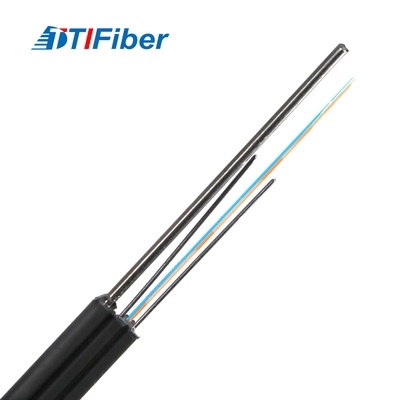 2025-12-02Why Does Light Travels Through FiberRead MoreThe answer isn’t that light is indestructible. It’s that modern optical fiber has been engineered to the very edge of what physics allows, minimizing every possible way a photon can be lost. But what, exactly, causes light to fade in the first place—and how have we tamed those forces?
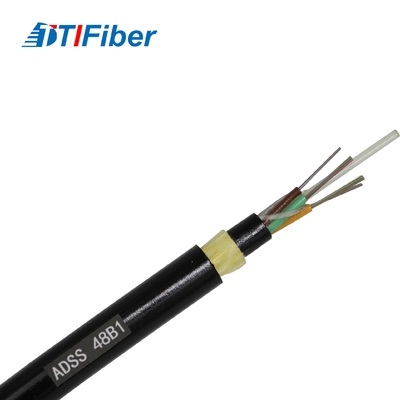 2025-12-02What Makes Light Stay in the Fiber CoreRead MoreThis isn’t magic. It’s the result of two intertwined scientific achievements: precise control of material purity and elegant manipulation of optical physics. Together, they enable light to remain confined within the fiber’s core and propagate with minimal attenuation, even across transoceanic distances.
- 2025-12-02Low-Loss Optical Fiber From Raw Materials to Final ProductRead MoreAnd that miracle isn’t accidental. It’s the result of decades of chemistry, physics, and relentless refinement—where scientists didn’t just ask, “Can we guide light?” but “How perfectly can we do it?”
- 1
- 2
- 3
- 4
- 7