



ADSS and OPGW Fiber Comparison - TTI Fiber
author: TTI Fiber
2024-09-18
ADSS and OPGW Fiber Optic Cables Power and Telecommunications Comparison
For power utilities and telecommunications networks, two types of fiber optic cables are commonly used: All-Dielectric Self-Supporting (ADSS) fiber optic cables and Optical Ground Wire (OPGW) fiber optic cables. While both play crucial roles in communication and power distribution, their design, application, and cost factors significantly differ. Here TTIFIBER provides a professional comparison between ADSS and OPGW cables, shedding light on their structures, characteristics, applications, and installation requirements.
Table of contents:
ADSS and OPGW Cables Overview
- What are ADSS Cables?
- What are OPGW Cables?
Key Differences Between ADSS and OPGW Cables
ADSS and OPGW Advantages
- Advantages of ADSS Cables
- Advantages of OPGW Cables
ADSS and OPGW Operation and Maintenance
OPGW Operation and Maintenance
ADSS Operation and Maintenance
ADSS and OPGW Cables Overview
- What are ADSS Cables?
- What are OPGW Cables?
Key Differences Between ADSS and OPGW Cables
ADSS and OPGW Advantages
- Advantages of ADSS Cables
- Advantages of OPGW Cables
ADSS and OPGW Operation and Maintenance
OPGW Operation and Maintenance
ADSS Operation and Maintenance
ADSS and OPGW Cables Overview
What are ADSS Cables?
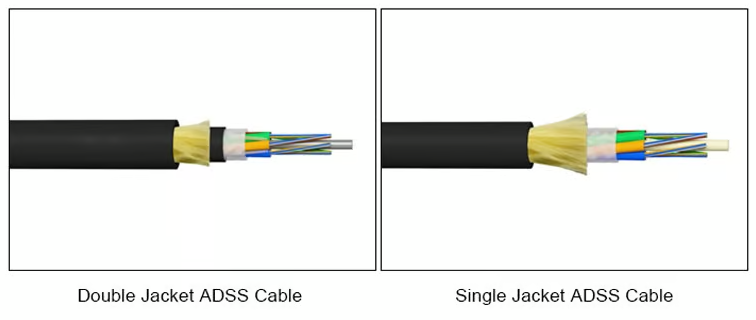
ADSS (All-Dielectric Self-Supporting) cables are designed for aerial transmission and distribution line environments. As the name suggests, ADSS cables contain no metal components and do not require support or messenger wires during installation. Their primary design allows for easy installation between structures without conductive metal elements, making them a suitable choice for environments with high voltage lines and where electromagnetic interference (EMI) could pose issues.
ADSS cables are known for their structural integrity, which consists of a central strength member, stranded loose tubes, water-blocking material, aramid yarn, and a sheath. ADSS cables typically come in two types: single jacket and double jacket.
What are OPGW Cables?
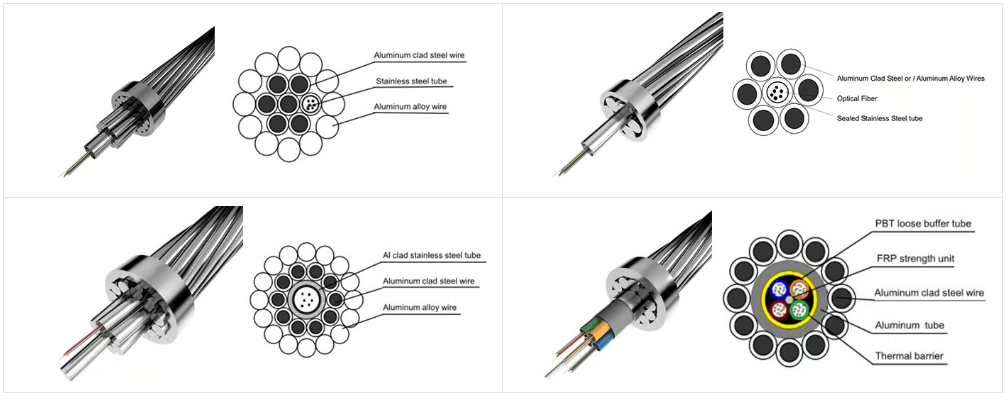
OPGW (Optical Ground Wire), or fiber optic composite aerial ground wire, serves a dual purpose. It performs the task of grounding and also provides a communication path for transmitting voice, video, or data signals. OPGW cables are installed on high-voltage power transmission lines, where they protect against environmental conditions like lightning and short circuits, ensuring reliable signal transmission.
The structure of OPGW cables consists of an optical fiber unit made of stainless steel or aluminum-clad stainless steel tubes, surrounded by peripheral reinforcement materials such as aluminum-clad steel and aluminum alloy. OPGW cables come in four main types: ACS (Aluminum-Clad Stainless Steel Tube), stranded tube, central tube, and ACP (Aluminum-Clad PBT).
Key Differences Between ADSS and OPGW Cables
ADSS and OPGW cables differ in multiple aspects, including design, installation methods, and application environments. Below are some of the key distinctions:
1. Cable Structure and Materials
- ADSS Cable Structure: ADSS cables are made from non-metallic materials and rely on aramid yarn for tensile strength. This structure makes them lightweight and capable of being installed without the need to shut down the power, which is highly advantageous in active power transmission environments.
- OPGW Cable Structure: In contrast, OPGW cables incorporate metallic components, with a stainless steel tube for optical fibers and aluminum-clad steel for reinforcement. These materials provide superior strength and are designed to also serve as ground wires, making OPGW more suitable for high-voltage environments.
2. Installation Methods
- ADSS Cable Installation: ADSS cables can be installed without power outages, thanks to their all-dielectric nature. They are ideal for use in aerial environments where large spans are required, such as between power transmission towers. Additionally, ADSS cables are lighter and easier to manage, making them more suitable for installation in distribution and transmission environments.
- OPGW Cable Installation: OPGW cables are more complex to install as they often require power to be turned off, and their installation involves integrating them with the existing power line's ground system. Due to their metallic nature, they are heavier, and their installation involves more labor and higher costs compared to ADSS cables.
3. Application Environments
- ADSS Cable Applications: ADSS cables are predominantly used in telecommunication networks, where their non-metallic design is an advantage for environments susceptible to EMI. They are also used in high-voltage transmission lines, outside plant networks, FTTX networks, and enterprise OSP (Outside Plant) networks. ADSS is highly effective for self-supporting aerial installations in telecommunications.
- OPGW Cable Applications: OPGW cables are favored in the electric power industry, where they perform dual functions: grounding and communication. They are often used in power transmission lines of 500kV, 220kV, and 110kV voltage levels, enabling voice, video, and data transmission as well as supporting SCADA (Supervisory Control and Data Acquisition) networks.
4. Cost Considerations
- ADSS Cable Costs: ADSS cables are more cost-effective to install because they do not require replacement of existing power transmission lines and can be installed without disrupting power. Their lightweight design further reduces transportation and installation costs.
- OPGW Cable Costs: In contrast, OPGW cables require a larger upfront investment due to their metallic structure and more complex installation process. However, their dual functionality as both a ground wire and a communication medium may justify the higher installation costs in certain high-voltage environments.
ADSS and OPGW Advantages
Advantages of ADSS Cables
All-Dielectric Self-Supporting (ADSS) fiber optic cables are widely used in the telecommunications and power transmission industries due to their unique properties and benefits. Here are the key advantages of ADSS cables:
1. Non-Metallic Design: ADSS cables are entirely dielectric, meaning they contain no metallic components. This makes them immune to electromagnetic interference (EMI) and lightning strikes, ensuring uninterrupted signal transmission even in environments with high electrical activity.
2. Self-Supporting: As the name suggests, ADSS cables are self-supporting, meaning they do not require additional support structures like messenger wires or grounding cables. This reduces installation complexity and costs, as they can be installed in a single pass.
3. Easy Installation in Energized Environments: One of the major advantages of ADSS cables is that they can be installed on live power lines without needing to shut down the power supply. This allows for continuous operation of the electrical grid during installation, minimizing service disruptions.
4. Lightweight and Flexible: ADSS cables are much lighter than traditional fiber optic cables. This lightweight nature reduces the load on supporting structures, such as utility poles or towers, and makes the cable more adaptable to long-span installations. The reduced weight also simplifies handling and installation.
5. Resistant to Electric Corrosion: The outer sheath of ADSS cables is treated with materials that offer high resistance to electric corrosion. This feature is particularly useful in environments where the cable is exposed to high-voltage electrical fields, such as power transmission towers.
6. Long Spans and High Tensile Strength: ADSS cables can cover long distances between poles or towers due to their high tensile strength, often supported by the use of aramid yarn. This makes them ideal for aerial installations in areas where long spans between structures are required.
7. Low Installation and Maintenance Costs: Since ADSS cables do not require metallic support structures or additional grounding cables, the installation costs are generally lower compared to other fiber optic cables, such as OPGW. Additionally, the cables are designed to be low-maintenance, further reducing the total cost of ownership.
8. Versatility in Application: ADSS cables can be used in various environments, including power utility transmission lines, telecommunications networks, broadband installations, railways, and campus networks. Their flexibility makes them suitable for both long-distance and local area networks (LANs), providing a wide range of applications.
9. No Power Disruption During Installation: ADSS cables are ideal for installations on high-voltage power lines because they can be deployed without turning off the power. This minimizes downtime for power utilities and allows for quick and efficient deployment in critical areas.
10. Good Insulation Properties: Due to the absence of metallic elements, ADSS cables have excellent insulation properties. This makes them ideal for use in high-voltage environments where electrical insulation is crucial for safety and performance.
11. Minimal Environmental Impact: ADSS cables are designed to withstand a wide range of environmental conditions, including extreme temperatures, wind, and ice loading. Their durability and low susceptibility to corrosion ensure they last for many years with minimal impact from external factors, reducing the need for frequent replacements.
12. Safe from Lightning and Ground Faults: The non-metallic nature of ADSS cables ensures that they are not affected by lightning strikes or ground faults, enhancing the safety and reliability of the fiber optic communication system.
Advantages of OPGW Cables
OPGW (Optical Ground Wire) cables offer several distinct advantages, particularly for high-voltage power transmission and telecommunication applications. Here are the key benefits of OPGW cables:
1. Dual Functionality: OPGW cables perform both as ground wires and communication cables. They protect power lines by grounding them and simultaneously provide a reliable path for transmitting voice, video, and data signals. This dual function reduces the need for separate installations, making them highly efficient.
2. High Durability and Strength: OPGW cables are constructed with metallic components, such as stainless steel and aluminum-clad steel, which provide exceptional tensile strength. These materials ensure that OPGW cables can withstand harsh environmental conditions, including strong winds, heavy ice loads, and mechanical stress.
3. Excellent Protection Against Environmental Hazards: OPGW cables are designed to protect the optical fibers within from environmental conditions like lightning, short circuits, and mechanical loading. The stainless steel tube and aluminum cladding safeguard the fibers, ensuring stable and reliable signal transmission even in extreme weather conditions.
4. Enhanced Reliability for High-Voltage Transmission: OPGW cables are ideal for high-voltage power lines, such as 500kV, 220kV, and 110kV, where they provide reliable grounding and communication. They ensure that electrical faults, such as lightning strikes, are safely discharged, preventing damage to the transmission system and protecting fiber optic communication.
5. Long Lifespan: The use of corrosion-resistant materials in OPGW cables, such as aluminum-clad steel, ensures a long service life. The cables can maintain performance for many years, reducing the frequency of replacements and maintenance.
6. High Load Capacity: Due to their robust construction, OPGW cables have a high load-bearing capacity, making them suitable for long-span installations. They can support the weight of the cable itself and resist mechanical stress, ensuring stable performance in large-scale transmission projects.
7. Secure Data Transmission: OPGW cables provide a secure path for data transmission, including voice, video, and data signals. The cables are designed to prevent interference from external electrical sources, ensuring that the optical fibers inside maintain high-speed, high-quality communication even in high-voltage environments.
8. Space-Saving Solution: By combining grounding and fiber optic communication in a single cable, OPGW reduces the need for multiple installations, freeing up space on transmission towers. This space-saving feature simplifies the overall design and installation process, particularly in crowded transmission networks.
9. Scalability and Future-Proofing: OPGW cables can support additional fiber optic strands, allowing for future expansions in communication needs. This scalability makes them a future-proof solution for power utilities, as the demand for data transmission continues to grow in smart grid applications.

ADSS and OPGW Operation and Maintenance
OPGW Operation and Maintenance
The operation and maintenance of Optical Ground Wire (OPGW) cables are crucial for ensuring both power transmission reliability and efficient fiber optic communication. Since OPGW cables perform the dual function of grounding and communication, proper maintenance is essential to avoid disruptions in both power grid operations and data transmission. Here's a breakdown of the key aspects of OPGW operation and maintenance:
1. Regular Inspection of Power Lines and OPGW Cables
Like ADSS cables, OPGW cables require routine inspections. During the regular power line inspections, technicians also check for any signs of wear, corrosion, or damage to the OPGW cable, especially on transmission towers where environmental conditions can accelerate degradation. Any abnormalities found should be promptly identified and resolved.
2. Monitoring Systems for OPGW Cables
OPGW maintenance often involves both manual and automatic monitoring systems.
- Manual Monitoring: Periodic testing with Optical Time-Domain Reflectometer (OTDR) helps to detect faults or signal loss along the cable. Power utilities commonly use OTDR to locate breakpoints and check the health of the fiber within the OPGW cable.
- Automatic Monitoring: Advanced monitoring systems, such as real-time optical performance monitoring, can detect issues like fiber degradation, sheath damage, or fiber breaks. These systems alert operators to potential problems before they lead to service interruptions. The automatic monitoring of OPGW cables is becoming increasingly popular due to its efficiency in identifying faults early on.
3. Maintenance of Grounding Functions
Since OPGW cables also serve as grounding wires, it is critical to ensure that they maintain their electrical grounding function. Regular checks are needed to verify that the cable continues to provide adequate protection against lightning strikes and short circuits. Ensuring that the OPGW cable remains in good condition helps safeguard the power grid from electrical disturbances.
4. Corrosion Resistance and Cable Longevity
OPGW cables, particularly those with aluminum-clad steel or stainless steel reinforcement, are designed to withstand harsh environmental conditions. However, routine inspections should assess the state of the cable's outer layers to detect corrosion or wear. Preventive maintenance can include applying anti-corrosive coatings where necessary and replacing damaged sections before they affect cable performance.
5. Tension and Sag Management
One critical aspect of OPGW cable maintenance is ensuring that the cable tension and sag are within acceptable limits. Over time, OPGW cables may experience changes in tension due to environmental factors like temperature variations and wind load. Excessive sag or tension can reduce the effectiveness of both the grounding and communication functions. Maintenance teams regularly measure tension and sag to ensure optimal performance.
6. Repair and Replacement of Damaged Sections
If a fiber break or sheath damage is detected, it is important to repair or replace the damaged section of the OPGW cable promptly. This can involve replacing specific segments of the cable or addressing localized damage to the fiber or metallic sheath. Repair operations typically require careful planning, especially when working in live transmission environments, where power shutdowns must be avoided or minimized.
7. Sheath Integrity Monitoring
The metallic elements in OPGW cables are susceptible to corrosion or damage from environmental factors, which can affect both grounding performance and fiber optic transmission. Monitoring the integrity of the cable sheath through visual inspection and advanced sensor systems helps ensure long-term durability. In environments with heavy pollution or salt exposure (e.g., coastal areas), maintenance routines may need to be more frequent.
8. Advances in Maintenance Technology
Similar to ADSS cables, OPGW maintenance is becoming more streamlined with the development of new technologies for automatic fault detection and monitoring. These systems can remotely detect and locate issues like fiber degradation, mechanical damage, and sheath corrosion, reducing the reliance on manual inspections and increasing the speed of maintenance response. Additionally, drones are sometimes used for aerial inspections of high-voltage power lines, improving access to hard-to-reach areas.
ADSS Operation and Maintenance
All-dielectric self-supporting (ADSS) cables require consistent maintenance to ensure high performance and longevity. While ADSS cables are highly reliable and durable, being non-metallic and self-supporting, they still need regular inspections and management to maintain their efficiency in power transmission and communication. Below are the key elements involved in the operation and maintenance of ADSS cables:
1. Regular Inspection of Fiber Optic Cable Lines
Routine inspections are essential for identifying early signs of damage or degradation in ADSS cables. Since they are installed on transmission towers and power lines, they are exposed to various environmental factors such as wind, temperature fluctuations, and wildlife interference. During inspections, technicians look for signs of physical wear, sheath damage, sagging, or fiber strain.
- Inspections are often scheduled alongside power line maintenance to reduce operational costs and downtime.
- Regular inspections ensure any emerging issues are caught early, allowing for prompt repairs and reducing the risk of serious malfunctions.
2. Manual and Automatic Monitoring Systems
Monitoring plays a crucial role in maintaining the operational integrity of ADSS cables. Two main methods are used: manual and automatic monitoring.
- Manual Monitoring: Traditionally, manual monitoring involves the use of Optical Time-Domain Reflectometers (OTDR), which can identify fiber degradation, breaks, or significant signal loss along the cable. The use of OTDR testing allows maintenance personnel to localize and address issues before they escalate.
- Automatic Monitoring: With advancements in technology, automated systems can now continuously monitor the health of ADSS cables. These systems can detect issues such as fiber stress, sheath damage, and signal degradation in real-time, providing alerts to operators as soon as a problem is detected. Automatic monitoring significantly reduces response times and helps prevent costly downtimes.
Although ADSS cable systems are generally robust, automatic monitoring systems are becoming more widespread, enhancing the efficiency of maintenance practices and increasing the overall reliability of the network.
3. Sheath and Insulation Maintenance
One of the key advantages of ADSS cables is their non-metallic structure, which protects them from lightning strikes and electrical interference. However, regular checks on the sheath's integrity are necessary to ensure it remains resistant to environmental factors like UV radiation, extreme temperatures, and chemical exposure.
The sheath also plays a critical role in insulating the fiber optics from moisture and other contaminants, so it’s essential that it remains intact. Neutral ionization impregnation is often used to improve the sheath’s resistance to electric corrosion, especially in high-voltage environments.
4. Sag and Tension Management
Over time, the tension in ADSS cables can fluctuate due to factors like wind load, thermal expansion, and ice accumulation. Excessive sagging can affect both the cable’s performance and the structural integrity of the power lines it is mounted on.
- Maintenance teams routinely measure the tension and sag of ADSS cables, ensuring that they remain within acceptable limits.
- Adjustments are made as needed to avoid mechanical stress on the fibers and minimize the risk of cable breakage or signal interference.
5. Repair and Replacement of Damaged Sections
If cable damage or fiber breakage is detected, immediate action is necessary to prevent further issues. Repairing ADSS cables can be more straightforward than OPGW cables because they are non-conductive, allowing technicians to work on live lines without requiring a power shutdown. This ability for live-line maintenance is a major cost-saving benefit for power utilities.
- Repair operations typically involve fixing or replacing the damaged section of the cable, using specialized splicing techniques to restore the fiber's integrity.
- Replacement may be necessary for severely damaged cables or sections with prolonged wear.
6. Environmental Resistance
ADSS cables are designed to withstand various environmental stresses. Still, extreme weather conditions such as hurricanes, heavy snowfall, or high winds can affect their performance. Maintenance activities must include checks for environmental damage, especially in areas prone to harsh weather conditions. This includes evaluating the cable’s aramid yarn strength member, which is critical for its tensile strength and ability to support itself over long spans.
7. Electrical Corrosion Prevention
ADSS cables, being dielectric, are inherently resistant to electrical corrosion. However, in high-voltage environments, special treatments such as neutral ionization impregnation on the sheath help improve the cable's resistance to electric fields. Regular maintenance ensures that the protective sheath remains effective in these conditions, especially in areas near high-voltage transmission lines.
8. Technology Advancements in ADSS Maintenance
New technologies are continually improving the operation and maintenance of ADSS cables. The integration of remote sensing technologies, real-time fiber monitoring systems, and drones for aerial inspection has made it easier to assess the condition of cables installed in hard-to-reach locations.
- Remote sensing allows for early detection of issues like mechanical strain or insulation wear, preventing potential failures.
- Drones equipped with high-resolution cameras can inspect cable spans that would otherwise be difficult to access, reducing the need for manual labor and enhancing safety.
9. Operational Longevity
ADSS cables are built for long-term use, often with lifespans exceeding 20-30 years. The combination of robust materials, regular inspections, and modern monitoring systems ensures that these cables maintain their operational efficiency over time. Well-executed maintenance plans not only extend the lifespan of the cables but also prevent costly emergency repairs.
Conclusion
Both ADSS and OPGW fiber optic cables serve distinct purposes in power transmission and telecommunications. ADSS cables are lightweight, non-metallic, and more economical for installations where electromagnetic interference is a concern. OPGW cables, while more expensive and complex to install, offer the dual benefit of functioning as both a ground wire and a communication medium. The choice between ADSS and OPGW cables depends on the specific requirements of the installation environment, including voltage levels, installation costs, and desired communication capabilities.
ADSS VS OPGW
Differences Between Tight Buffered and Loose Tube Fiber Optic Cables
Related Article
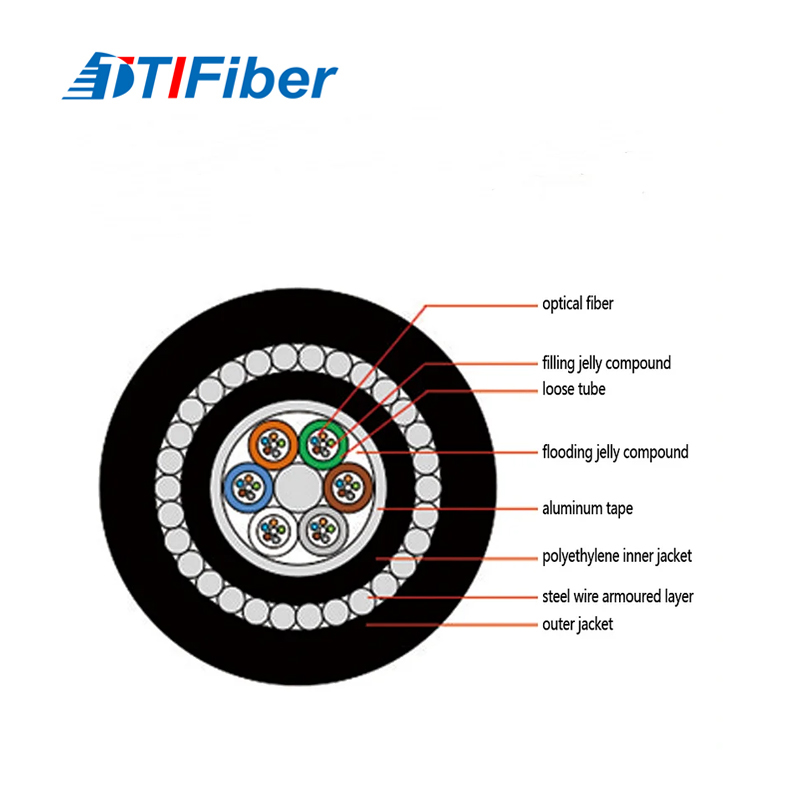
The steel used in SWA cables is not high-carbon tool steel, nor is it brittle cast iron. It is specifically low-carbon (mild) steel wire, typically containing less than 0.25% carbon.
What Kind of Steel Is Used in the SWA Layer

So what exactly does “correct” installation entail? Where do standards draw the line between best practice and code compliance? And why is grounding not just an electrical formality—but a foundational requirement for safety, reliability, and longevity?
What Do Electrical Codes Specifically Require for SWA Grounding
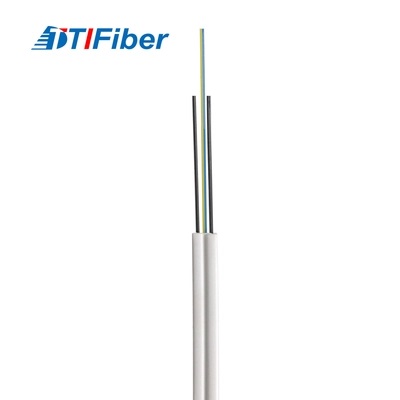
In a market where “SWA” can be loosely applied to substandard products, how do you ensure the cable you’re purchasing will truly perform as expected over its 25+ year design life? Verification isn’t optional—it’s essential. And it must happen before the cable leaves the factory, not after it fails in the field.
How Do You Verify the Quality of SWA Fiber Optic Cable
