



FC (Ferrule Connector) Connector Robust Solution for Fiber Optic Connectivity
author: TTI Fiber
2024-07-10
For fiber optic connectivity, the FC (Ferrule Connector) stands tall as a beacon of reliability and durability. Its threaded coupling mechanism, robust construction, and compatibility with various fiber types make it a preferred choice for applications where secure and stable connections are paramount. Now TTI Fiber will share the FC connector in detail, covering its introduction, key features, advantages, applications, and limitations, shedding light on its significance in modern communication networks.
1. Introduction to the Ferrule Connector FC
The FC connector emerged in the 1980s as a response to the growing demand for robust fiber optic connectors capable of withstanding harsh environments and ensuring reliable data transmission. Developed by NTT (Nippon Telegraph and Telephone) in Japan, the FC connector quickly gained popularity due to its rugged construction and threaded coupling mechanism. Its name, "FC," stands for "Ferrule Connector," referring to the cylindrical ceramic or metal component (the ferrule) that holds the fiber optic strands in place.
2. Key Features of the FC Ferrule Connector
The FC (Ferrule Connector) stands as a pinnacle of fiber optic connectivity, renowned for its robust design and reliable performance. Let's delve deeper into the key features that make the FC connector a preferred choice for professionals across various industries:
1. Threaded Coupling Mechanism: The FC connector's threaded coupling mechanism sets it apart from other connectors. This mechanism ensures a secure and stable connection by requiring the user to screw the connector into place. The threaded coupling provides a tight fit, minimizing the risk of accidental disconnection, particularly in environments with high vibration or movement.
2. Robust Construction: Built to withstand harsh conditions, the FC connector features a sturdy metal or plastic housing. This robust construction offers excellent protection for the internal components, ensuring reliable performance even in challenging environments. The durability of the FC connector makes it suitable for use in industrial settings, military applications, and outdoor installations where reliability is paramount.
3. Ceramic Ferrule: At the heart of the FC connector lies the ceramic ferrule—a precision-engineered component that holds the fiber optic strands in place. The ceramic material offers exceptional durability and precise alignment, minimizing insertion loss and maximizing signal integrity. The ceramic ferrule ensures optimal performance, making the FC connector ideal for high-speed data transmission over long distances.
4. Single-Mode and Multimode Compatibility: The FC connector is compatible with both single-mode and multimode fibers, offering versatility in various applications. Whether transmitting data over long distances or within a confined space, the FC connector delivers reliable connectivity across different fiber types. This compatibility makes it a preferred choice for telecommunications networks, data centers, and industrial applications.
5. Duplex Configuration: Available in simplex and duplex configurations, the FC connector accommodates different connection requirements. The duplex configuration enables the simultaneous transmission of two separate data streams, making it suitable for applications requiring bidirectional communication. Whether used in local area networks (LANs), fiber-to-the-home (FTTH) installations, or multimedia transmission systems, the duplex FC connector offers efficient connectivity solutions.
6. Compatibility with High-Speed Networks: The FC connector is compatible with high-speed networking standards such as Ethernet and Fibre Channel, making it an ideal choice for high-performance computing applications. Whether deployed in data centers, server farms, or telecommunications infrastructure, the FC connector ensures seamless connectivity and optimal performance in high-speed networks.
7. Secure Connections: With its threaded coupling mechanism and robust construction, the FC connector provides secure and stable connections, minimizing signal loss and ensuring uninterrupted data transmission. The secure connections offered by the FC connector make it suitable for mission-critical applications where reliability is paramount.
8. Versatility: The FC connector's versatility extends to its compatibility with various connector types and termination methods. Whether used with patch cables, pigtails, or fusion splicing, the FC connector offers flexibility in installation and deployment. Its versatility makes it a preferred choice for professionals seeking reliable and adaptable connectivity solutions.
3. Advantages of the Ferrule Connector
The FC connector offers several advantages that make it a preferred choice for fiber optic connectivity:
Reliability: The threaded coupling mechanism and robust construction of the FC connector ensure reliable and stable connections, even in challenging environments with high levels of vibration or temperature fluctuations.
Durability: The metal or plastic housing and ceramic ferrule of the FC connector provide excellent durability, making it suitable for use in harsh environments where reliability is critical, such as military communications systems and industrial automation.
Low Insertion Loss: The precise alignment of the fiber optic strands facilitated by the ceramic ferrule results in low insertion loss, ensuring optimal signal transmission over long distances without degradation.
Versatility: The FC connector's compatibility with both single-mode and multimode fibers, as well as its availability in simplex and duplex configurations, offers versatility in various applications, including telecommunications, data centers, and military communications.
4. Applications of the FC Connector
The FC connector finds widespread use in a variety of applications across different industries:
Telecommunications: In telecommunications networks, the FC connector is commonly used for long-distance data transmission over single-mode fibers. Its reliability, durability, and low insertion loss make it an ideal choice for telecommunications infrastructure, including long-haul optical networks and submarine communications cables.
Data Centers: In data center environments, the FC connector is deployed to interconnect networking equipment, servers, storage devices, and other components. Its robust construction and compatibility with high-speed networking standards, such as Ethernet and Fibre Channel, make it suitable for high-performance computing applications.
Military Communications: The FC connector's rugged construction and secure coupling mechanism make it ideal for military communications systems deployed in harsh and demanding environments. It provides reliable and secure connections, ensuring uninterrupted communication in field operations and tactical deployments.
5. Limitations of the FC Ferrule Connector
While the FC connector offers many advantages, it also has some limitations:
Complex Installation: The threaded coupling mechanism of the FC connector requires careful alignment during installation, which can be more complex compared to connectors with push-pull coupling mechanisms.
Bulkiness: The metal or plastic housing of the FC connector adds bulk and weight to the connector, which may not be suitable for applications where space and weight are limited.
Cost: The precision engineering and robust construction of the FC connector can result in higher manufacturing costs compared to some other fiber optic connectors, which may impact its affordability for some applications.
The FC Connector—A Cornerstone of Fiber Optic Connectivity
The FC (Ferrule Connector) stands as a cornerstone of fiber optic connectivity, offering reliability, durability, and versatility across a wide range of applications. Its threaded coupling mechanism, robust construction, low insertion loss, and compatibility with various fiber types make it an indispensable component of modern communication networks. While it may have some limitations, its advantages far outweigh them, making it a preferred choice for professionals seeking high-performance connectivity solutions. As the demand for high-speed data transmission continues to grow, the FC connector remains a trusted and essential tool for ensuring seamless communication and data transmission in an ever-evolving digital landscape.
LC (Lucent Connector) Connector - A Compact Solution for High-Speed Connectivity
SC (Subscriber Connector) Fiber Optic Connector Modern Communication Networks
Related Article
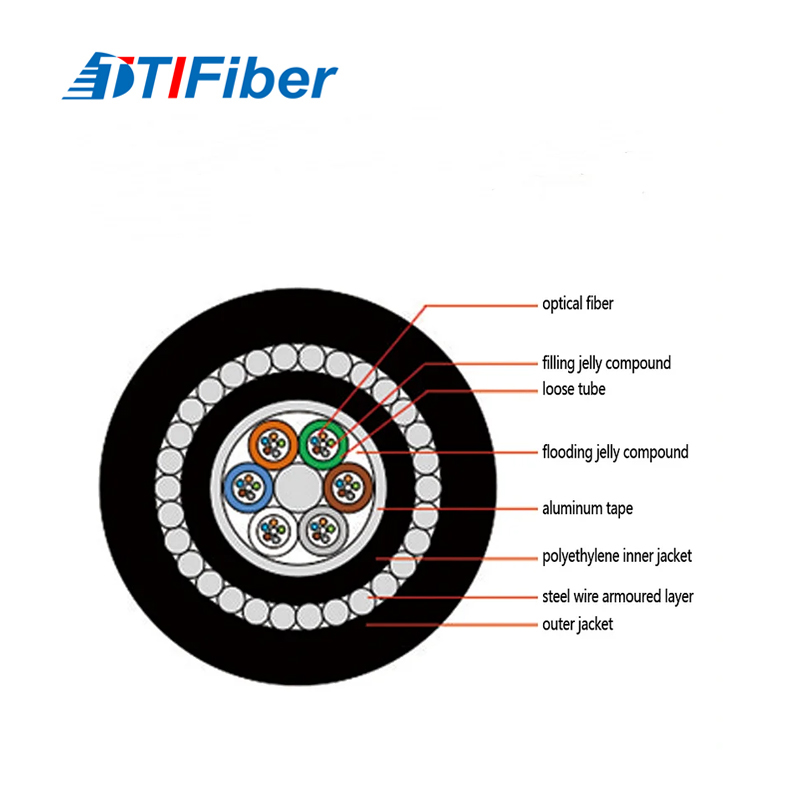
The steel used in SWA cables is not high-carbon tool steel, nor is it brittle cast iron. It is specifically low-carbon (mild) steel wire, typically containing less than 0.25% carbon.
What Kind of Steel Is Used in the SWA Layer

So what exactly does “correct” installation entail? Where do standards draw the line between best practice and code compliance? And why is grounding not just an electrical formality—but a foundational requirement for safety, reliability, and longevity?
What Do Electrical Codes Specifically Require for SWA Grounding
In a market where “SWA” can be loosely applied to substandard products, how do you ensure the cable you’re purchasing will truly perform as expected over its 25+ year design life? Verification isn’t optional—it’s essential. And it must happen before the cable leaves the factory, not after it fails in the field.
How Do You Verify the Quality of SWA Fiber Optic Cable
