



FTTP vs. FTTH vs. FTTN: What’s the Difference?
author: TTI Fiber
2025-01-20
FTTP vs. FTTH vs. FTTN What’s the Difference and Which is Best for You?
Whether you’re streaming your favorite shows, running a business, or working from home, a solid internet connection is more important than ever. With all the different options available, it can be tough to choose the right one. One of the most common debates is between three fiber-optic broadband technologies: FTTP (Fiber to the Premises), FTTH (Fiber to the Home), and FTTN (Fiber to the Node).
If you’ve been asking yourself, “What’s the difference between FTTP, FTTH, and FTTN?” or “Which one is best for my home or business?” – you’re in the right place. Here TTI FIBER will take you to find out each technology, compare them head-to-head, and help you figure out which one might be right for you.
What is FTTP (Fiber to the Premises)?
FTTP, or Fiber to the Premises, is a broadband connection where fiber optic cables are run directly to your home or business. It’s considered one of the best and most reliable forms of internet because it uses light signals to transmit data, making it incredibly fast and with low latency.
Key Features of FTTP:
- Fast Speeds: FTTP connections can deliver speeds from hundreds of Mbps up to several Gbps, depending on the provider.
- Future-Proof: Since it’s based on fiber optics, it’s ready for future upgrades and can handle the growing demands for bandwidth.
- Low Latency: Unlike other types of broadband that use copper lines, FTTP offers extremely low latency, which means faster response times for online activities like gaming, video conferencing, and VoIP calls.
When is FTTP the Right Choice?
- If you need ultra-fast internet for high-demand activities (such as large file transfers, streaming in 4K or 8K, and hosting online events), FTTP is the way to go.
- It’s also a great option for businesses that rely on heavy data usage, cloud applications, and video communications.
FTTP Pros:
- Gigabit speeds
- High reliability
- Very low latency
FTTP Cons:
- Higher installation cost
- Limited availability in some areas (especially rural)
What is FTTH (Fiber to the Home)?
FTTH, or Fiber to the Home, is a more specific version of FTTP. With FTTH, fiber optic cables run directly to individual homes, providing the same benefits as FTTP, but specifically tailored for residential use.
Key Features of FTTH:
- Dedicated Fiber Line: Unlike shared technologies (like cable internet), FTTH offers a dedicated fiber line directly to your home, ensuring faster and more consistent speeds.
- Perfect for Homes: FTTH is ideal for households with high data usage, multiple devices, and heavy streaming or gaming.
- Scalability: It’s also future-proof, capable of handling future increases in internet speeds as technology advances.
When is FTTH the Right Choice?
- FTTH is best for families or individuals who require a consistent, high-speed internet connection. If your household uses multiple devices at once, streams high-definition video, or works from home, FTTH provides a seamless experience.
- Smart homes: If you have a lot of IoT devices (like smart thermostats, lights, or home security systems), FTTH ensures these devices run smoothly without lag.
FTTH Pros:
- Reliable and fast speeds
- Excellent for heavy usage
- Dedicated line for fewer interruptions
FTTH Cons:
- Can be expensive to install
- Limited availability in rural areas
What is FTTN (Fiber to the Node)?
FTTN, or Fiber to the Node, is a hybrid technology where fiber optic cables are used to connect homes and businesses to a local node or distribution point. However, instead of fiber reaching all the way to your premises, the last stretch is usually made via copper or coaxial cables.
Key Features of FTTN:
- Hybrid Technology: FTTN combines fiber optic and copper technologies. Fiber is used to bring high-speed data to a local node, and then copper wires complete the connection to your home or business.
- Lower Speeds: Because the last part of the connection relies on copper, speeds can be slower than FTTP and FTTH, especially as the distance from the node increases.
- Cost-Effective: The installation cost is generally lower because fiber optic cables don’t need to be installed directly to each premise.
When is FTTN the Right Choice?
- FTTN is often the best choice for suburban and rural areas where installing full fiber optic infrastructure is cost-prohibitive. It’s a good solution if fiber is not yet available to your home or business but you still need decent speeds for everyday browsing, video streaming, and light business operations.
FTTN Pros:
- Lower installation cost
- Quick deployment in areas with existing copper infrastructure
FTTN Cons:
- Slower speeds than FTTP and FTTH
- Less reliable due to copper wiring
- Speed decreases as distance from the node increases
FTTP vs. FTTH vs. FTTN Key Differences Comparsion
Let’s put it all together. Here’s a side-by-side comparison of FTTP, FTTH, and FTTN to help you quickly understand the key differences between these three technologies.
| Feature | FTTP (Fiber to the Premises) | FTTH (Fiber to the Home) | FTTN (Fiber to the Node) |
| Connection Type | Fiber optic to premises (home or business) | Fiber optic to individual home | Fiber optic to node, copper last mile |
| Speed | Up to 1 Gbps and beyond | Up to 1 Gbps and beyond | Generally lower (up to 100 Mbps) |
| Latency | Very low | Very low | Moderate to high |
| Installation Cost | Higher | Higher | Lower |
| Coverage | Limited to specific areas | Primarily urban areas | More widespread (including suburban and rural areas) |
| Suitability | Ideal for high-demand business, urban homes | Ideal for households with high data needs | Best for suburban or rural areas with existing infrastructure |
| Reliability | High reliability | High reliability | Lower, dependent on copper quality and distance from node |
Which Technology is Right for You?
Now that you have a better understanding of the differences, let's discuss which option might be right for you:
For Consumers:
- If you live in a city or urban area with fiber infrastructure, FTTP or FTTH is your best bet. These technologies provide the fastest, most reliable internet and will ensure you can stream, work from home, and play games without interruptions.
- FTTN is better if you live in a suburban or rural area and don’t need the fastest speeds. It’s an affordable option with decent performance for basic browsing and streaming.
For Businesses:
- If you run a business that depends on fast, reliable internet—whether for cloud computing, video conferencing, or handling large files—FTTP is the clear winner. It offers the highest speeds, the lowest latency, and the most future-proof solution.
- FTTH is ideal for small businesses in residential zones that need fast speeds but may not require as much bandwidth as larger enterprises.
- FTTN might work for businesses with more basic internet needs, especially if you're in an area with existing copper infrastructure.
TTI Fiber Communication Tech. Co., Ltd., is a professional manufacturer specialized in Fiber optic products for 13 years. Our factory located in Shenzhen, China, covers an area of 12,000 square meters and has obtained ISO9001, ISO14001, REACH, RoHS, CE and CPR certificates and so on. We hav
How FTTP, FTTH, and FTTN Are Built?
MPO-12 Connectors What Are They?
Related Article
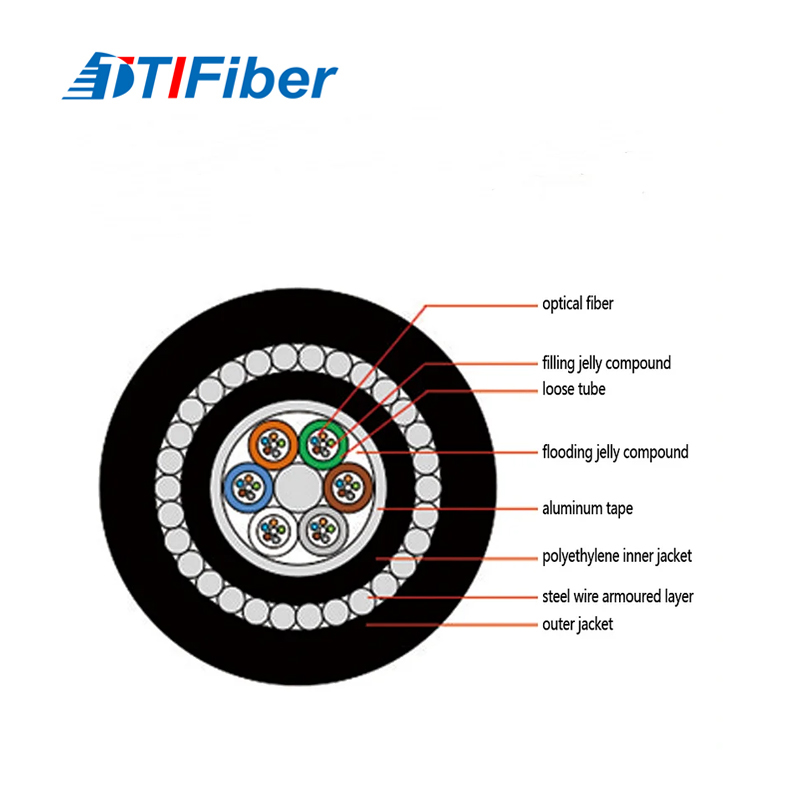
The steel used in SWA cables is not high-carbon tool steel, nor is it brittle cast iron. It is specifically low-carbon (mild) steel wire, typically containing less than 0.25% carbon.
What Kind of Steel Is Used in the SWA Layer

So what exactly does “correct” installation entail? Where do standards draw the line between best practice and code compliance? And why is grounding not just an electrical formality—but a foundational requirement for safety, reliability, and longevity?
What Do Electrical Codes Specifically Require for SWA Grounding
In a market where “SWA” can be loosely applied to substandard products, how do you ensure the cable you’re purchasing will truly perform as expected over its 25+ year design life? Verification isn’t optional—it’s essential. And it must happen before the cable leaves the factory, not after it fails in the field.
How Do You Verify the Quality of SWA Fiber Optic Cable
