



How GYFY Fiber Cable Is Manufactured
author: TTI Fiber
2024-11-26
The manufacturing of GYFY fiber cables is an art and a science, where precision engineering and high-quality materials come together to create a product that is both reliable and durable. Designed for outdoor environments, GYFY fiber cables are built to withstand the rigors of harsh weather conditions, physical stress, and environmental factors. Every step in the manufacturing process is carefully controlled to ensure the cables perform at their best in telecommunications, data transmission, and other critical applications. Here’s a closer look at the entire process, from start to finish:
1. Material Selection The Foundation of Quality
The manufacturing process begins long before the machines start rolling—it's all about selecting the best materials to ensure high performance and reliability.
- Optical Fibers: At the heart of every fiber optic cable are the optical fibers, which are responsible for carrying light signals (data). Depending on the specific application, GYFY fiber cables may use single-mode fibers for long-distance transmission or multi-mode fibers for shorter-range, high-speed data transfer. These fibers are incredibly thin and can carry vast amounts of data at the speed of light, making them the backbone of modern communication networks.
- Central Strength Member (CSM): The central strength member is what gives the fiber cable its structural integrity. Think of it as the skeleton of the cable. It’s usually made from materials like Fiber Reinforced Plastic (FRP) or aramid yarn, both of which are light, strong, and resistant to environmental stress. The CSM prevents the cable from becoming too flexible, ensuring it doesn’t break or bend excessively under pressure.
- Central Strength Member (CSM): The central strength member is what gives the fiber cable its structural integrity. Think of it as the skeleton of the cable. It’s usually made from materials like Fiber Reinforced Plastic (FRP) or aramid yarn, both of which are light, strong, and resistant to environmental stress. The CSM prevents the cable from becoming too flexible, ensuring it doesn’t break or bend excessively under pressure.
- Loose Tubes: These plastic tubes hold the optical fibers in place, providing additional protection. The tubes are filled with a special thixotropic gel that remains in place to block any moisture from reaching the fibers. This gel is a crucial component in preventing water ingress, which could otherwise degrade the performance of the fiber.
- Outer Sheath Material: The outer sheath is your first line of defense against the elements. Made from UV-resistant polyethylene (PE) or other weatherproof materials, the sheath protects the cable from physical damage, chemical exposure, and UV radiation from the sun. Without this protective outer layer, the cable would deteriorate quickly when exposed to the environment.
2. Loose Tube Formation Protecting the Core
Once the optical fibers are chosen, the next step is to ensure they’re housed safely and securely inside the loose tubes. This stage is about ensuring the fibers remain undamaged and protected from moisture.
- Fiber Insertion: Each optical fiber is carefully inserted into its corresponding loose tube. During this step, every effort is made to avoid any tension or stress on the fibers, as they are very delicate and could break if mishandled.
- Gel Filling: After the fibers are placed into the tubes, they’re filled with a thixotropic water-blocking gel. The gel is crucial because it prevents moisture from entering the tube, which could cause the fibers to deteriorate or interfere with data transmission. The gel ensures the fibers remain dry, even if the cable is exposed to water or high humidity.
3. Stranding and Layering Building Strength and Flexibility
With the loose tubes filled and ready, the next step is to strand them around the central strength member. This process gives the cable its unique flexibility and resistance to mechanical stress, making it easier to install and use.
- Stranding Process: The loose tubes are wound around the central strength member in a helical or SZ pattern. This special stranding method allows the cable to be flexible enough to bend without kinking while providing structural stability. Think of it like braiding the fibers together in a way that distributes stress evenly, so the cable can resist the bending forces it might encounter during installation or regular use.
- Flexibility and Resistance: The helical pattern ensures that the cable can bend easily in any direction without damaging the fibers inside. At the same time, the strength member gives the cable the durability it needs to withstand pulling, twisting, and stretching during installation.
4. Binding and Water Blocking Extra Protection Against the Elements
Once the loose tubes are stranded together, additional steps are taken to further protect the fibers from external factors like water and moisture.
- Water-Swellable Materials: The next step is to wrap the stranded tubes with water-swellable tape or yarn. These materials are designed to expand when they come into contact with water, forming a seal around the cable. This extra layer prevents any moisture from seeping into the cable, ensuring that the fibers remain dry and functional, even in the harshest conditions.
- Preventing Water Ingress: Water is one of the biggest threats to fiber optic cables, as it can cause fiber degradation or signal interference. The water-blocking materials act as a protective barrier, keeping the cable safe from water-related damage over time.
5. Outer Sheath Application The Final Barrier
Now that the cable’s core is securely constructed and protected, it’s time to apply the outer sheath. This final layer is essential for protecting the cable from environmental factors like UV rays, chemicals, and physical impacts.
- Extrusion Process: The outer sheath is applied using an extrusion machine, which precisely shapes the sheath around the stranded tubes. This process ensures that the sheath is evenly applied and has a consistent thickness, providing uniform protection across the entire length of the cable.
- Durability and Protection: The UV-resistant polyethylene material is designed to withstand the harshest conditions. Whether exposed to the sun, rain, or chemicals, this outer sheath ensures the fiber cable can keep performing for years without breaking down.
6. Quality Control and Testing Ensuring Performance
Once the cables are constructed, they undergo a series of rigorous tests to ensure they meet the required standards for performance, safety, and durability.
- Tensile Strength Testing: The cables are subjected to pulling forces to make sure they can handle the stresses they’ll face during installation. This test simulates the real-world conditions that cables experience when they’re being pulled through ducts or installed in various environments.
- Environmental Testing: The cable is exposed to extreme temperatures, UV radiation, and moisture to test its ability to withstand environmental stress. These tests ensure that the cable won’t degrade under harsh conditions, whether it’s used in a desert, snowy mountain, or coastal region with high humidity.
- Optical Performance Testing: Signal attenuation (signal loss) is measured to ensure that the fibers transmit data efficiently. The goal is to verify that the cable will provide high-speed, reliable data transmission with minimal loss or interference.
7. Final Inspection and Packaging Ready for Delivery
After passing the rigorous quality control tests, the cables are thoroughly inspected to make sure they meet every specification. Any defects or inconsistencies are identified and corrected before the cable is packaged and shipped.
- Inspection for Defects: Each cable is visually inspected to check for any imperfections, such as physical damage or defects in the outer sheath. If any issues are found, the cable is reprocessed or discarded to maintain high quality.
- Packaging for Protection: Once approved, the cables are coiled onto sturdy spools or reels and carefully packaged with protective covers. This ensures that the cables stay in excellent condition during transport and storage, ready to be installed as soon as they reach their destination.
The manufacturing process for GYFY fiber cables is an intricate dance of materials, engineering, and quality control. From carefully selecting raw materials to the final packaging, every step ensures that the cables will deliver exceptional performance, even in the harshest environments. With advanced materials and attention to detail, GYFY fiber cables are built to last, making them a trusted choice for telecommunications, data transmission, and a wide range of critical applications.
TTI Fiber Communication Tech. Co., Ltd., is a professional manufacturer specialized in Fiber optic products for 13 years.
Our factory located in Shenzhen, China, covers an area of 12,000 square meters and has obtained ISO9001, ISO14001, REACH, RoHS, CE and CPR certificates and so on.
We have a wide range of fiber optic products, including Fiber Optic Cable, Fiber Optic Patch Cord, Fiber Optic Splitter, Fiber Optic Patch Panel, FTTx products, etc. We also provide professional Fiber Cabling Solutions and one-stop OEM & ODM service.
Our factory located in Shenzhen, China, covers an area of 12,000 square meters and has obtained ISO9001, ISO14001, REACH, RoHS, CE and CPR certificates and so on.
We have a wide range of fiber optic products, including Fiber Optic Cable, Fiber Optic Patch Cord, Fiber Optic Splitter, Fiber Optic Patch Panel, FTTx products, etc. We also provide professional Fiber Cabling Solutions and one-stop OEM & ODM service.
What Is An MPO Fiber Connector?
What are fiber optic cables made out of?
Related Article
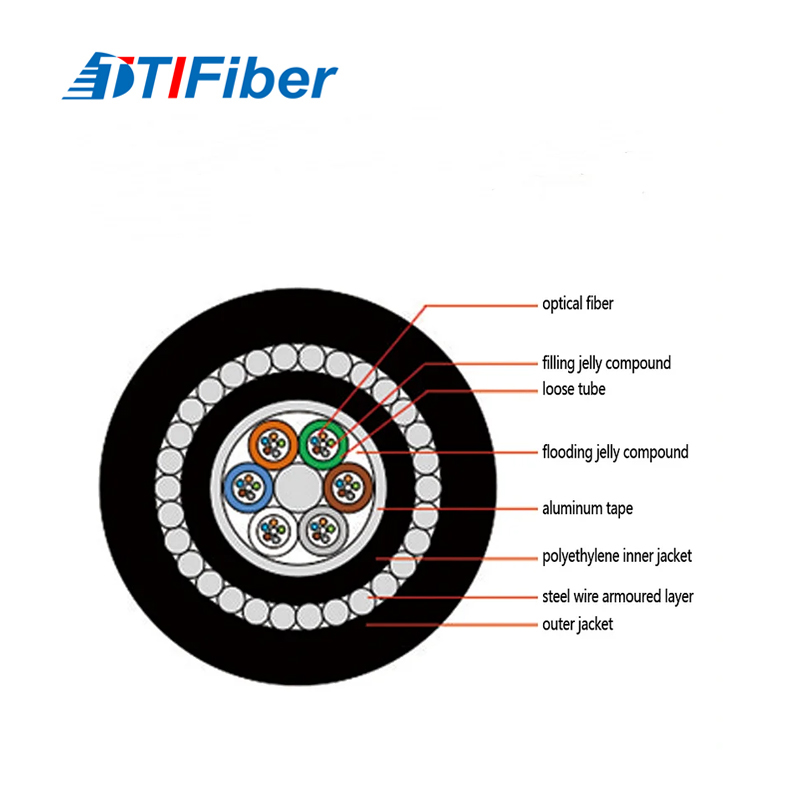
The steel used in SWA cables is not high-carbon tool steel, nor is it brittle cast iron. It is specifically low-carbon (mild) steel wire, typically containing less than 0.25% carbon.
What Kind of Steel Is Used in the SWA Layer

So what exactly does “correct” installation entail? Where do standards draw the line between best practice and code compliance? And why is grounding not just an electrical formality—but a foundational requirement for safety, reliability, and longevity?
What Do Electrical Codes Specifically Require for SWA Grounding
In a market where “SWA” can be loosely applied to substandard products, how do you ensure the cable you’re purchasing will truly perform as expected over its 25+ year design life? Verification isn’t optional—it’s essential. And it must happen before the cable leaves the factory, not after it fails in the field.
How Do You Verify the Quality of SWA Fiber Optic Cable
