Inside the Structure of High Performance Fiber Cables

High Performance Fiber Cables What Makes Them Different and Why They Matter
In today’s world, internet connectivity isn’t just a convenience—it’s the backbone of work, play, and communication. Whether you’re streaming movies in 4K, working from home with dozens of cloud-based apps, gaming competitively, or running a small business, your connection’s performance relies heavily on the quality of the cable delivering it.
That’s where high performance fiber optic cables come in. At first glance, they might look like any other fiber optic cable. But when you look closer—at the design, construction, and raw materials—you’ll see why these cables stand out and why investing in them pays off for years to come.
What Is a High Performance Fiber Cable?
A high performance fiber cable is designed to deliver internet signals with the highest possible speed, minimal loss, and maximum durability. Unlike budget or generic cables, which may meet only the bare minimum standards, high performance cables are engineered for demanding applications where every millisecond and every megabit counts.
They are:
-
Built with ultra-pure glass fibers that reduce signal distortion.
-
Protected with advanced coatings to resist bending, temperature swings, and physical stress.
-
Optimized in design to support higher bandwidths over longer distances.
In simple terms, a high performance fiber cable isn’t just about speed—it’s about reliability, consistency, and future-proofing your connection.
Why Performance Matters(Speed, Stability, and Reliability)
You’ve probably seen internet providers advertise speeds like “up to 1 Gbps” or “10 Gbps fiber.” What they don’t always mention is that your cable’s construction directly affects whether you actually experience those speeds.
Here’s why performance matters in daily life:
-
For streaming: High performance fiber prevents buffering and allows seamless 4K/8K video.
-
For gaming: It minimizes latency, giving you faster reaction times.
-
For remote work: It ensures smooth video conferencing and stable VPN connections.
-
For businesses: It secures data transmission and avoids downtime that could cost money.
A low-quality or poorly designed fiber optic cables might still “work,” but it introduces signal loss, slower speeds, and shorter lifespan. Think of it like plumbing: the cleaner and smoother the pipes, the better the water flow.
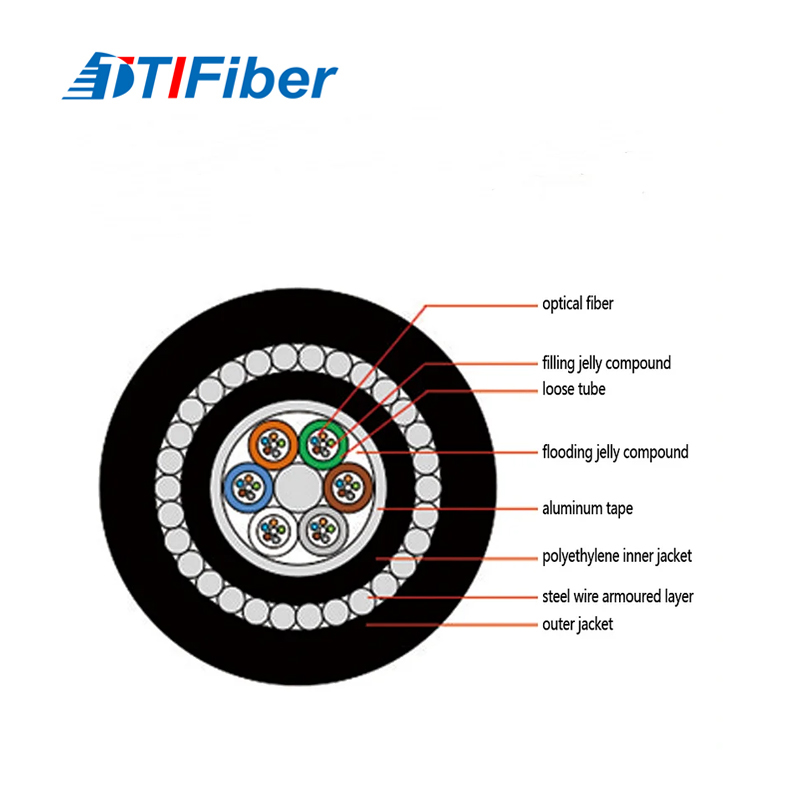
What's the Inside the Structure of High Performance Fiber Cables
To understand what makes a high performance fiber cable different, let’s take a look at its construction layer by layer.
-
Core
-
Made of ultra-pure silica glass, this is where light signals travel.
-
The purer the glass, the less distortion, meaning faster, clearer transmission.
-
-
Cladding
-
A special glass layer surrounding the core.
-
Keeps light signals trapped inside the core using the principle of total internal reflection.
-
-
Buffer Coating
-
Provides protection from microbends, scratches, and stress during installation.
-
High performance cables often use tight-buffered construction for more durability indoors, or loose-tube construction for outdoor environments.
-
-
Strength Members
-
Materials like aramid yarn (Kevlar®) are added to protect against pulling forces during installation.
-
In cheaper cables, this may be missing or replaced with weaker alternatives.
-
-
Outer Jacket
-
Designed to resist moisture, UV light, and fire.
-
High performance jackets are often made with LSZH (Low Smoke Zero Halogen) compounds for safer indoor use.
-
This layered design ensures that the cable isn’t just about transmitting light, but also about lasting in real-world environments—from tight home wiring closets to harsh outdoor conditions.
Raw Materials That Make the Difference
The difference between a generic fiber cables and a high performance one often comes down to the raw materials used.
-
Ultra-Pure Silica Glass: Ensures minimal attenuation (signal loss). Even microscopic impurities can scatter light and reduce performance.
-
High-Grade Coatings: Specialized polymers keep the glass safe from moisture, bending stress, and scratches.
-
Aramid Yarn (Kevlar®): Provides tensile strength to prevent snapping during installation.
-
LSZH Jackets: Release minimal smoke and no toxic halogens during a fire, protecting people and equipment.
When these premium raw materials are combined with precise manufacturing, you get a fiber cable that doesn’t just meet standards—it exceeds them.
Single-Mode or Multi-Mode Which High Performance Fiber Do You Need?
One common question from buyers is whether to choose single-mode or multi-mode fiber. Both can be high performance, but they’re built for different needs:
-
Single-Mode Fiber (SMF)
-
Uses a very thin core (~9 microns).
-
Transmits data over long distances (tens of kilometers).
-
Perfect for ISPs, enterprises, or future-proofing high-bandwidth home setups.
-
-
Multi-Mode Fiber (MMF)
-
Larger core (~50–62.5 microns).
-
Designed for shorter distances (up to 600 meters depending on grade).
-
Often used in data centers, offices, and within buildings.
-
For home users and small businesses, single-mode high performance fiber is often the best choice if you want scalability and long-term investment value.
How Cable Construction Affects Signal Quality and Lifespan
Even if two cables use the same fiber type, construction quality changes everything.
-
Poor buffer design → Leads to microbending and higher signal loss.
-
Weak jackets → Expose fibers to moisture or physical damage.
-
No strength members → Cables may snap during installation.
High performance fiber cables are carefully engineered to avoid these problems, which means:
-
Longer lifespan (10–25 years of service).
-
Fewer connection drops.
-
Better performance under physical stress (tight bends, extreme weather, heavy data loads).
Performance in Action Real Benefits for Homes and Offices
What do all these technical details mean in real life?
-
For households: No lag during Netflix marathons or when multiple family members are online at once.
-
For gamers: Millisecond-level latency improvements can mean the difference between winning and losing.
-
For remote workers: Reliable video conferencing without pixelation or freezing.
-
For small businesses: Smooth cloud backups, secure transactions, and uptime that keeps customers happy.
Durability Matters Resistance to Bending, Heat, and Moisture
Fiber optic cables are often installed in tight spaces—under floors, through walls, or even outdoors. That’s why high performance cables are built to resist:
-
Bending: Bend-insensitive fibers reduce signal loss when cables are looped.
-
Heat: Fire-rated jackets keep performance stable even in hot environments.
-
Moisture: Gel-filled or water-blocking designs prevent signal degradation outdoors.
Durability translates to peace of mind—you won’t have to replace your cables every few years.
High Performance Fiber Cables vs. Standard Cables Comparsion Table
| Feature | Standard Fiber Cable | High Performance Fiber Cable |
|---|---|---|
| Glass Purity | Basic | Ultra-pure, low-loss |
| Jacket Material | PVC | LSZH / UV & fire resistant |
| Strength Members | Minimal | Kevlar® / aramid yarn |
| Signal Attenuation | Higher | Ultra-low loss |
| Durability | Moderate | Long-lasting (10–25 years) |
| Price | Lower upfront | Higher upfront, better ROI |
Choosing the Right Cable for Your Needs
When selecting a high performance fiber cable, consider:
-
Distance: Single-mode for long distances, multi-mode for short.
-
Environment: Indoor-only vs. outdoor-rated with water-blocking jackets.
-
Safety: LSZH jackets for indoor environments with people and equipment.
-
Future needs: If you’re planning to upgrade to higher speeds, invest now in a higher-grade cable.
Why Material Quality Protects Your Investment Long-Term
Cables aren’t something you want to replace every few years. High performance fiber cables made with premium materials ensure:
-
Stable performance over decades.
-
Lower maintenance costs.
-
Better total cost of ownership (TCO) compared to cheap alternatives.
Trusted Brands and Solutions for High Performance Fiber Cables
Some brands that are known for producing reliable, high performance fiber cables include:
-
Corning (pioneers in fiber optic glass).
-
CommScope (enterprise-grade solutions).
-
OFS Optics (advanced single-mode and multi-mode).
-
TTI Fiber (cost-effective yet durable fiber solutions).
When buying, always check for industry certifications like IEC, ITU, or ANSI/TIA standards.
Invest Once, Benefit for Years
A high performance fiber cable isn’t just another piece of tech gear—it’s the foundation of your digital lifestyle. By choosing cables designed with precision construction and premium raw materials, you’re not only getting faster speeds today but also securing reliable performance for the future.
Whether you’re upgrading your home internet, building a smart office, or just tired of slow, unreliable connections, investing in high performance fiber cables is a decision you won’t regret.
Trusted Brands and Solutions for High-Performance Fiber Cables
Raw Materials of High Quality Optical Fiber Glass
Related Article