



LC (Lucent Connector) Connector - A Compact Solution for High-Speed Connectivity
author: TTI Fiber
2024-07-17
A Compact Solution for High-Speed Connectivity - LC (Lucent Connector) Connector
For fiber optic connectivity, the LC (Lucent Connector) connector stands out as a compact yet powerful solution for high-speed data transmission. Widely recognized for its small form factor and exceptional performance, the LC connector has become a staple in various networking environments. Here TTI Fiber will delve into the intricacies of the LC connector, exploring its key features, advantages, applications, and limitations.
1. Introduction of the LC Connector
The LC connector, developed by Lucent Technologies (now part of Corning), represents a significant advancement in fiber optic connector technology. Its compact design and robust construction make it a preferred choice for high-density installations where space is at a premium. The LC connector features a push-pull coupling mechanism, allowing for quick and secure connections without the need for specialized tools.
2. Key Features of the LC Connector
Small Form Factor: The most distinguishing feature of the LC connector is its small form factor. It is approximately half the size of traditional connectors like the SC connector, making it ideal for installations where space is limited. The compact size of the LC connector allows for higher port density, enabling more connections within the same footprint.
Push-Pull Coupling Mechanism: Similar to other modern connectors, the LC connector employs a push-pull coupling mechanism. This mechanism enables fast and effortless connections while ensuring a secure and stable connection. The push-pull design simplifies installation and removal, reducing the risk of damage to the connector or fiber optic cables.
Ceramic Ferrule: The LC connector typically utilizes a ceramic ferrule—a precision-engineered component that holds the fiber optic strands in place. The ceramic material ensures precise alignment, minimal insertion loss, and maximum signal integrity. Additionally, ceramic is highly resistant to wear and corrosion, providing long-term reliability in demanding environments.
Compatibility: The LC connector is compatible with both single-mode and multimode fibers, offering versatility in various networking environments. It supports high-speed data transmission and is suitable for a wide range of applications, including telecommunications, data centers, enterprise networks, and residential installations. The LC connector is available in simplex and duplex configurations, allowing for seamless integration into existing infrastructure.
Low Insertion Loss: The LC connector's ceramic ferrule and precise alignment mechanism result in low insertion loss, ensuring efficient data transmission with minimal signal degradation. This is particularly important in high-speed networks where signal integrity is paramount. The low insertion loss of the LC connector contributes to reliable performance and optimal network efficiency.
3. Advantages of the LC Connector
High Density: The small form factor of the LC connector allows for high-density installations, making it ideal for environments where space is limited, such as data centers and telecommunications facilities. By maximizing port density, organizations can optimize rack space and reduce the overall footprint of networking equipment.
Reliability: The LC connector's push-pull coupling mechanism ensures reliable and secure connections, reducing the risk of signal loss or interruption. This reliability is essential for mission-critical applications where uninterrupted connectivity is paramount. The robust construction of the LC connector provides durability and longevity, even in challenging operating conditions.
Ease of Installation: The LC connector's compact design and push-pull coupling mechanism simplify installation and maintenance tasks, saving time and effort during deployment and troubleshooting. The intuitive design of the LC connector allows for quick and straightforward connections, even in confined spaces or challenging environments. Additionally, the color-coded housing of the LC connector facilitates easy identification and organization of fiber optic connections.
Versatility: The LC connector's compatibility with both single-mode and multimode fibers makes it a versatile solution for various networking applications. Whether transmitting data over long distances or within a confined space, the LC connector offers reliable performance and seamless connectivity. Its compatibility with industry-standard fiber optic cables and equipment ensures interoperability and ease of integration into existing infrastructure.
4. Applications of the LC Connector
Data Centers: LC connectors are widely used in data center environments for interconnecting networking equipment, servers, and storage devices. Their high density and reliability make them an ideal choice for facilitating high-speed data transmission in densely populated data center racks. LC connectors are commonly used in patch panels, fiber optic patch cords, and fiber optic transceivers to create efficient and scalable network connections.
Telecommunications Networks: LC connectors play a crucial role in telecommunications networks, where they are used for long-distance data transmission and network infrastructure deployments. Their compatibility with both single-mode and multimode fibers makes them versatile and suitable for various telecommunications applications, including backbone networks, metro networks, and access networks. LC connectors are commonly deployed in optical distribution frames (ODFs), optical splitters, and fiber optic distribution cabinets to establish reliable and high-performance network connections.
Enterprise Networks: In enterprise networking environments, LC connectors are commonly used for connecting switches, routers, and other networking equipment. Their small form factor and reliability make them well-suited for corporate LANs and WANs. LC connectors are often used in fiber optic patch panels, wall-mounted enclosures, and fiber optic adapters to create seamless connections between network devices. They are also used in fiber optic trunk cables and fiber optic distribution cables to extend network connectivity across office buildings, campuses, and remote locations.
Residential Installations: LC connectors are increasingly being used in residential installations, particularly in fiber-to-the-home (FTTH) deployments. Their small size and compatibility with single-mode fibers make them ideal for connecting optical network terminals (ONTs), optical network units (ONUs), and other customer premises equipment (CPE) in residential buildings. LC connectors are commonly used in fiber optic wall outlets, fiber optic termination boxes, and fiber optic splitters to deliver high-speed internet, television, and phone services to homes and apartments.
Industrial Environments: LC connectors are also suitable for industrial environments, where they are used for networking, monitoring, and control applications. Their compact design and robust construction make them resistant to harsh environmental conditions, such as temperature extremes, humidity, dust, and vibrations. LC connectors are commonly used in industrial Ethernet networks, industrial automation systems, and industrial control systems to provide reliable and high-performance network connectivity. They are often deployed in industrial switches, industrial routers, and industrial media converters to enable real-time data communication and remote monitoring in industrial facilities.
5. Limitations of LC Connectors
While the LC connector offers numerous advantages, it is essential to consider its limitations:
Fragility: Due to its small size and delicate components, the LC connector may be more susceptible to damage compared to larger connectors. Care must be taken during installation and handling to prevent breakage or misalignment. Specialized tools and techniques may be required for precise installation and maintenance, particularly in challenging environments.
Complexity: In some cases, the small size of the LC connector may make it challenging to work with, especially in environments with limited space or poor lighting conditions. Technicians may need to use magnification tools or fiber optic inspection scopes to ensure accurate alignment and proper connection. Additionally, the small size of the LC connector may require additional precautions during cleaning and maintenance to prevent damage to the ferrule or fiber optic strands.
Cost: The cost of LC connectors and associated components may be higher compared to larger connectors, such as SC or ST connectors. Organizations should carefully evaluate the total cost of ownership, including procurement, installation, and maintenance costs, when selecting fiber optic connectors for their infrastructure. While the initial investment in LC connectors may be higher, the long-term benefits of increased port density, improved reliability, and enhanced performance may justify the expense for many organizations.
The LC connector represents a compact and efficient solution for high-speed fiber optic connectivity. With its small form factor, reliability, and compatibility with both single-mode and multimode fibers, the LC connector has found widespread adoption in data centers, telecommunications networks, enterprise environments, residential installations, and industrial applications. While it offers numerous advantages, it is essential to consider its limitations and take appropriate precautions to ensure successful deployment and operation. As demand for high-speed connectivity continues to grow, the LC connector remains a cornerstone of modern networking infrastructure, enabling seamless communication and data transmission across diverse environments.
MTP/MPO Connector Advantages Applications Limitations
FC (Ferrule Connector) Connector Robust Solution for Fiber Optic Connectivity
Related Article
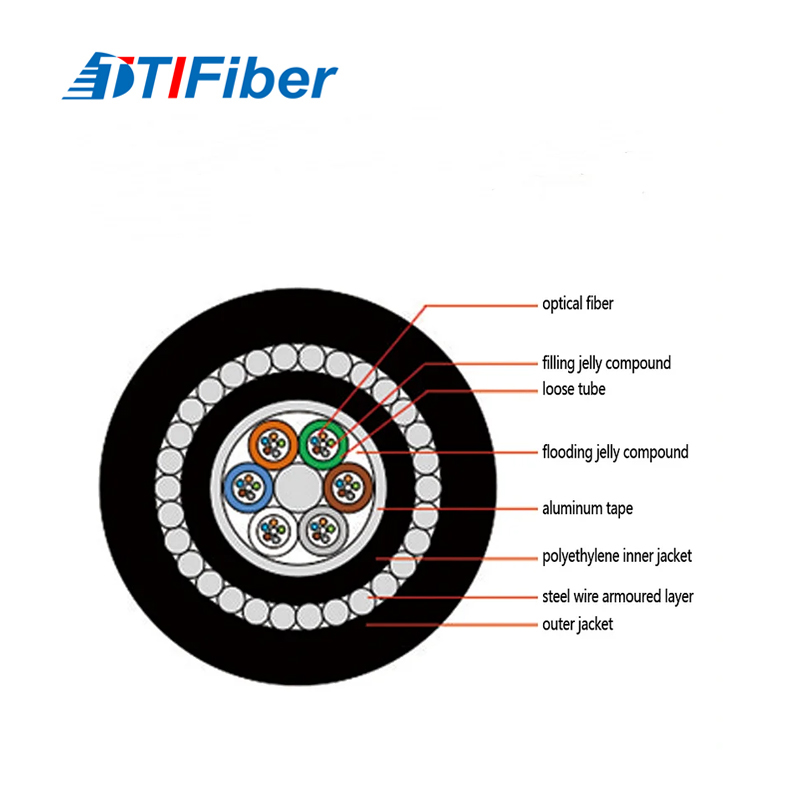
The steel used in SWA cables is not high-carbon tool steel, nor is it brittle cast iron. It is specifically low-carbon (mild) steel wire, typically containing less than 0.25% carbon.
What Kind of Steel Is Used in the SWA Layer

So what exactly does “correct” installation entail? Where do standards draw the line between best practice and code compliance? And why is grounding not just an electrical formality—but a foundational requirement for safety, reliability, and longevity?
What Do Electrical Codes Specifically Require for SWA Grounding
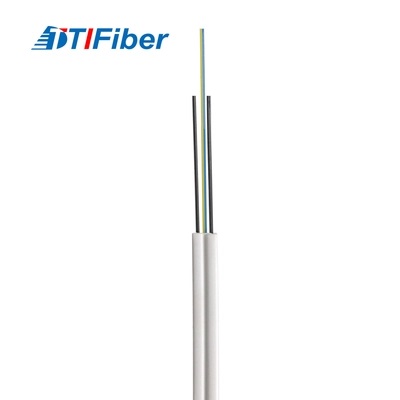
In a market where “SWA” can be loosely applied to substandard products, how do you ensure the cable you’re purchasing will truly perform as expected over its 25+ year design life? Verification isn’t optional—it’s essential. And it must happen before the cable leaves the factory, not after it fails in the field.
How Do You Verify the Quality of SWA Fiber Optic Cable
