



MT-RJ (Mechanical Transfer Registered Jack) Connector
author: TTI Fiber
2024-08-12
MT-RJ (Mechanical Transfer Registered Jack) Connector: A Compact Solution for Fiber Optic Connectivity
Fiber optic connectors play a pivotal role in modern communication networks, facilitating the seamless transmission of data over optical fibers. Among the array of connectors available, the MT-RJ (Mechanical Transfer Registered Jack) connector stands out for its compact design and versatile capabilities. Here TTI Fiber will delve into the MT-RJ connector, exploring its introduction, key features, advantages, applications, and limitations.
1. Introduction to the MT-RJ Connector
The MT-RJ connector is a duplex fiber optic connector that combines two fibers into a single, compact housing. Developed by AMP (now part of TE Connectivity), the MT-RJ connector gained popularity for its innovative design, which addresses the need for space-saving solutions in fiber optic installations. It utilizes a mechanical transfer coupling mechanism, ensuring secure connections while simplifying installation and maintenance procedures.
The development of the MT-RJ connector was driven by the increasing demand for compact and efficient fiber optic connectivity solutions. Traditional connectors often required separate components for each fiber, leading to bulky and complex installations. The MT-RJ connector revolutionized the industry by offering a duplex configuration within a single housing, reducing the footprint and complexity of fiber optic installations.
2. Key Features of the MT-RJ Connector
The MT-RJ connector boasts several key features that set it apart from traditional fiber optic connectors:
Duplex Configuration: The MT-RJ connector is designed to accommodate two fibers within a single, compact housing. This duplex configuration allows for bidirectional communication over a single connection, reducing the footprint and complexity of fiber optic installations. It simplifies cable management and reduces the number of connectors required for duplex connections.
Push-Pull Coupling Mechanism: Similar to other fiber optic connectors, the MT-RJ connector utilizes a push-pull coupling mechanism for quick and efficient connections. Users can easily insert or remove the connector with a simple push or pull motion, minimizing installation time and effort. The push-pull mechanism ensures a secure and stable connection, even in high-vibration environments.
Molded Plastic Body: The MT-RJ connector typically features a molded plastic body, which contributes to its lightweight and durable construction. The plastic housing provides protection for the fibers and ensures reliable performance in various environmental conditions. It also helps reduce electromagnetic interference (EMI) and radio frequency interference (RFI) in sensitive applications.
Alignment Pins: To ensure precise alignment of the fibers, the MT-RJ connector incorporates alignment pins within the housing. These pins help guide the fibers into proper alignment, minimizing insertion loss and maximizing signal integrity. The alignment pins ensure consistent performance and reliability, even in high-speed data transmission applications.
LC-Compatible Form Factor: The MT-RJ connector is designed to be compatible with the LC (Lucent Connector) form factor. This compatibility allows for seamless integration with existing LC-based infrastructure and equipment, simplifying upgrades and expansions. It ensures interoperability and flexibility in fiber optic installations across different environments and applications.
3. Advantages of the MT-RJ Connector
The MT-RJ connector offers several advantages over traditional fiber optic connectors:
Space-Saving Design: The compact size of the MT-RJ connector makes it ideal for applications where space is limited, such as telecommunications equipment rooms, data centers, and fiber-to-the-desk (FTTD) installations. Its duplex configuration allows for efficient use of space while maintaining high-density connectivity. Organizations can maximize rack space and minimize cable clutter with MT-RJ connectors, leading to more efficient and organized installations.
Cost-Effectiveness: The MT-RJ connector's duplex configuration reduces the number of connectors required for duplex connections, resulting in cost savings for installation and maintenance. Organizations can achieve significant cost reductions by using fewer connectors, adapters, and patch panels in their fiber optic installations. Additionally, its simplified installation process helps minimize labor costs and downtime, further enhancing cost-effectiveness over the long term.
Ease of Use: With its push-pull coupling mechanism and compact design, the MT-RJ connector is easy to install and remove, even in confined spaces. Installation technicians can quickly and easily connect fibers without the need for specialized tools or equipment. This ease of use enhances efficiency during installation, troubleshooting, and reconfiguration of fiber optic networks, reducing the time and effort required to deploy and maintain connectivity solutions.
Interoperability: The MT-RJ connector's compatibility with the LC form factor ensures interoperability with existing LC-based infrastructure and equipment. Organizations can seamlessly integrate MT-RJ connectors into their existing fiber optic installations without the need for costly upgrades or modifications. This interoperability allows for flexible and scalable connectivity solutions that can adapt to evolving business needs and technology trends.
4. Applications of the MT-RJ Connector
The MT-RJ connector finds applications in various industries and environments, including:
Local Area Networks (LANs): The MT-RJ connector is commonly used in LAN environments for connecting desktop computers, workstations, and other network devices to the network infrastructure. Its compact size and duplex configuration make it suitable for fiber-to-the-desk (FTTD) installations, where space is limited. Organizations can deploy MT-RJ connectors to provide high-speed connectivity to end-user devices in office buildings, schools, and government facilities.
Telecommunications Networks: In telecommunications networks, the MT-RJ connector facilitates high-speed data transmission over fiber optic cables. It is used in central offices, remote terminals, and customer premises equipment to provide reliable connectivity for voice, data, and video services. Telecommunications providers can leverage MT-RJ connectors to deliver fast and reliable communication services to residential and business customers, supporting a wide range of applications and technologies.
Data Centers: Data centers rely on the MT-RJ connector for interconnecting networking equipment, servers, and storage devices. Its compact design and high-density connectivity enable efficient use of rack space while ensuring fast and reliable data transmission between network components. Data center operators can deploy MT-RJ connectors to build scalable and flexible connectivity solutions that support the growing demand for cloud computing, virtualization, and big data analytics.
Fiber-to-the-Home (FTTH) Installations: MT-RJ connectors play a crucial role in FTTH installations, where they provide high-speed internet, television, and phone services to residential premises. Service providers can deploy MT-RJ connectors in optical network terminals (ONTs) and customer premises equipment (CPE) to deliver reliable connectivity to subscribers. The compact size and ease of installation of MT-RJ connectors make them well-suited for FTTH deployments in urban, suburban, and rural areas.
Multimedia Transmission Systems: MT-RJ connectors are used in multimedia transmission systems, such as cable television (CATV) networks and digital signage installations. They facilitate the transmission of high-definition video and audio signals over fiber optic cables, ensuring crisp and clear multimedia content delivery to viewers. Broadcasters, content providers, and entertainment venues can leverage MT-RJ connectors to deliver immersive and engaging multimedia experiences to audiences worldwide.
5. Limitations of the MT-RJ Connector
Despite its numerous advantages, the MT-RJ connector has some limitations to consider:
Limited Fiber Types: The MT-RJ connector is primarily designed for use with multimode fibers. While it can support single-mode fibers with appropriate adapters, its performance may not be optimized for long-distance transmission applications. Organizations should carefully consider their specific application requirements and fiber optic infrastructure when selecting MT-RJ connectors for deployment.
Susceptibility to Contamination: Like all fiber optic connectors, the MT-RJ connector is susceptible to contamination from dust, dirt, and other particles. Proper cleaning and maintenance procedures are essential to ensure optimal performance and reliability. Organizations should implement regular inspection and cleaning routines to prevent contamination-related issues and ensure the longevity of MT-RJ connectors in their fiber optic installations.
Compatibility Concerns: The MT-RJ connector may not be compatible with all fiber optic equipment and installations. It is essential to verify compatibility with existing infrastructure and equipment before deploying MT-RJ connectors in a network. Organizations should consult with their equipment vendors and system integrators to ensure seamless integration and interoperability of MT-RJ connectors with their existing fiber optic infrastructure.
The MT-RJ (Mechanical Transfer Registered Jack) connector offers a compact and efficient solution for duplex fiber optic connectivity. With its space-saving design, ease of use, and versatility, the MT-RJ connector has become a preferred choice for LANs, telecommunications networks, data centers, FTTH installations, and multimedia transmission systems. While it has some limitations, careful consideration of its advantages and compatibility can help organizations leverage the benefits of the MT-RJ connector in their fiber optic installations. As the demand for high-speed connectivity continues to grow, the MT-RJ connector remains a versatile and reliable solution for building robust and scalable fiber optic networks in various industries and environments.
24 Strand Single Mode Fiber Advantages and Applications
How Deep Should We Bury Fiber Optic Cable?
Related Article
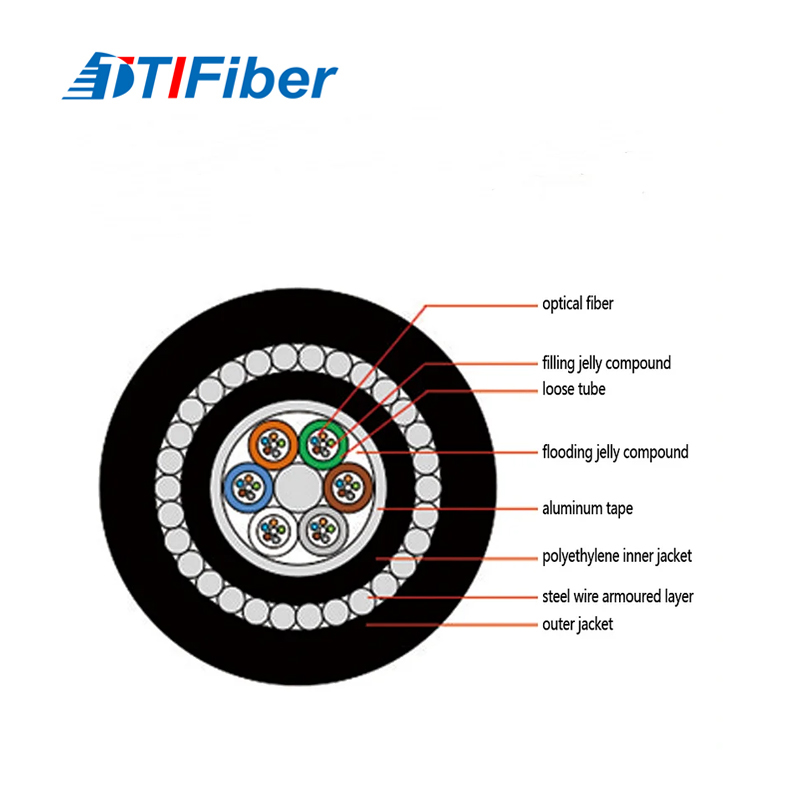
The steel used in SWA cables is not high-carbon tool steel, nor is it brittle cast iron. It is specifically low-carbon (mild) steel wire, typically containing less than 0.25% carbon.
What Kind of Steel Is Used in the SWA Layer

So what exactly does “correct” installation entail? Where do standards draw the line between best practice and code compliance? And why is grounding not just an electrical formality—but a foundational requirement for safety, reliability, and longevity?
What Do Electrical Codes Specifically Require for SWA Grounding
In a market where “SWA” can be loosely applied to substandard products, how do you ensure the cable you’re purchasing will truly perform as expected over its 25+ year design life? Verification isn’t optional—it’s essential. And it must happen before the cable leaves the factory, not after it fails in the field.
How Do You Verify the Quality of SWA Fiber Optic Cable
