



Multimode Fiber Patch Cable Vs. Singlemode Fiber Patch Cable
author: TTI Fiber
2024-09-04
The Difference Between Multimode Fiber Patch Cable vs. Singlemode Fiber Patch Cable
For fiber optics, selecting the right type of patch cable is crucial for ensuring optimal performance and reliability in network communications. Multimode and singlemode fiber patch cables are two primary types, each with unique characteristics that make them suitable for different applications. Here TTI Fiber will share the differences between multimode and singlemode fiber patch cables, helping you make an informed decision based on your specific needs.
Fiber optic cables are the backbone of modern telecommunications, enabling high-speed data transmission over long distances with minimal signal loss. As businesses and consumers demand faster and more reliable internet connections, understanding the differences between multimode and singlemode fiber patch cables becomes increasingly important. This article delves into the core differences, advantages, and disadvantages of these two types of cables, providing insights into their ideal use cases and how to choose the best option for your network.
Understanding Fiber Optic Technology
Basic Principles of Fiber Optics: Fiber optic cables transmit data as light signals, using thin strands of glass or plastic fibers to carry information over long distances. These cables are designed to minimize signal loss and interference, making them superior to traditional copper cables for high-speed data transmission. Light signals travel through the core of the fiber, which is surrounded by a cladding layer that reflects the light back into the core, allowing it to travel with minimal loss.
Types of Fiber Optic Cables: Fiber optic cables come in two main types: singlemode and multimode. These types differ in their core size, light transmission methods, and overall performance. Singlemode cables are typically used for long-distance communication, while multimode cables are preferred for shorter distances.
Multimode Fiber Patch Cable
Definition and Structure: Multimode fiber patch cables have a larger core size, typically 50 or 62.5 microns, which allows multiple light paths or modes to be transmitted simultaneously. This larger core makes it easier to couple light into the fiber and allows for the use of less expensive light sources, such as LEDs.
Transmission Characteristics: The multiple light paths in multimode fibers result in modal dispersion, where different light modes travel at different speeds, causing signal spreading over long distances. This dispersion limits the effective transmission distance of multimode fibers to about 300-400 meters for high-speed applications.
Applications: Multimode fiber patch cables are commonly used in Local Area Networks (LANs), data centers, and short-distance connections. They are ideal for applications where the distance between network devices is relatively short, such as within a building or campus.
Advantages:
- Cost-Effective: Multimode fibers are generally less expensive than singlemode fibers, both in terms of the cable itself and the associated equipment, such as transceivers.
- Ease of Installation: The larger core size makes multimode fibers easier to align and connect, reducing the complexity and cost of installation.
- Compatibility with LED Light Sources: Multimode fibers can use less expensive LED light sources, which are adequate for short-distance communication.
Disadvantages:
- Limited Distance: Due to modal dispersion, multimode fibers are not suitable for long-distance communication.
- Lower Bandwidth: The presence of multiple light modes limits the bandwidth and data transmission speed compared to singlemode fibers.
Singlemode Fiber Patch Cable
Definition and Structure: Singlemode fiber patch cables have a much smaller core size, typically around 9 microns, allowing only one light path or mode to travel through the fiber. This single light path reduces modal dispersion, enabling signals to travel over much longer distances without significant loss.
Transmission Characteristics: Singlemode fibers are designed for long-distance communication, often exceeding 10 kilometers without the need for signal boosters. The smaller core size and use of laser light sources enable singlemode fibers to achieve higher bandwidth and faster data transmission speeds.
Applications: Singlemode fiber patch cables are used in applications requiring long-distance data transmission, such as in telecommunications, backbone networks, and high-speed internet connections. They are also preferred in environments where bandwidth and speed are critical, such as in large-scale data centers and high-performance computing networks.
Advantages:
- High Bandwidth: Singlemode fibers offer significantly higher bandwidth than multimode fibers, making them suitable for high-speed data transmission over long distances.
- Long-Distance Communication: The low attenuation and reduced dispersion allow singlemode fibers to transmit data over vast distances without degradation.
- Future-Proofing: Singlemode fibers can handle future increases in data demands, making them a long-term solution for network infrastructure.
Disadvantages:
- Higher Cost: Singlemode fibers are more expensive than multimode fibers, both in terms of the cables themselves and the necessary laser-based transceivers.
- Complex Installation: The smaller core size requires precise alignment and more advanced installation techniques, increasing installation complexity and cost.
Key Differences Between Multimode and Singlemode Fiber
Core Size: The core size is one of the most significant differences between multimode and singlemode fiber patch cables. Multimode fibers have a larger core, which supports multiple light paths, while singlemode fibers have a smaller core that supports only one light path.
Transmission Distance: Multimode fibers are limited to shorter distances due to modal dispersion, typically up to 300-400 meters for high-speed applications. In contrast, singlemode fibers can transmit data over much longer distances, often exceeding 10 kilometers, without significant signal loss.
Bandwidth: Singlemode fibers offer higher bandwidth than multimode fibers, making them suitable for applications requiring high-speed data transmission over long distances. Multimode fibers are sufficient for short-distance applications but are limited in bandwidth due to modal dispersion.
Cost: Multimode fibers are generally less expensive than singlemode fibers, making them an attractive option for short-distance applications where budget constraints are a consideration. Singlemode fibers, while more costly, offer better performance and future-proofing for long-distance communication.
Light Sources: Multimode fibers typically use LED light sources, which are less expensive but have limitations in terms of distance and speed. Singlemode fibers require laser-based light sources, which are more expensive but enable high-speed, long-distance data transmission.
Choosing the Right Fiber Patch Cable
Assessing Your Needs: When choosing between multimode and singlemode fiber patch cables, it's essential to assess your specific needs. Consider factors such as the required transmission distance, bandwidth needs, and budget. Multimode fibers are ideal for short-distance applications where cost is a concern, while singlemode fibers are better for long-distance, high-speed applications.
Industry Standards and Compatibility: Ensure that the fiber patch cables you choose adhere to industry standards, such as TIA/EIA and ISO/IEC, and are compatible with your existing network infrastructure. Compatibility with transceivers, connectors, and other network components is also crucial for seamless integration.
Future-Proofing Considerations: Consider the future needs of your network when choosing between multimode and singlemode fibers. If you anticipate a need for higher bandwidth or longer distances in the future, singlemode fibers may be a better investment, even if the initial cost is higher.
Common Applications and Scenarios
Use Cases for Multimode Fiber: Multimode fiber patch cables are commonly used in environments where the distance between network devices is relatively short, such as within a building or campus. They are ideal for Local Area Networks (LANs), data centers, and short-haul networking.
Use Cases for Singlemode Fiber: Singlemode fiber patch cables are used in applications requiring long-distance data transmission, such as in telecommunications, backbone networks, and high-speed internet connections. They are also preferred in environments where bandwidth and speed are critical, such as in large-scale data centers and high-performance computing networks.
Installation and Maintenance
Installation Considerations: The installation process for fiber patch cables varies depending on the type of cable. Multimode fibers, with their larger core, are easier to install and require less precision. Singlemode fibers, on the other hand, require precise alignment and more advanced installation techniques due to their smaller core size.
Maintenance Requirements: Maintenance requirements for fiber patch cables include regular inspections, cleaning, and testing. Multimode fibers may require more frequent testing due to their susceptibility to modal dispersion, while singlemode fibers may require more careful handling to prevent damage to the delicate core.
Choosing between multimode and singlemode fiber patch cables depends on your specific needs, environment, and budget. Multimode fibers offer a cost-effective solution for short-distance applications, while singlemode fibers provide superior performance and future-proofing for long-distance, high-speed communication. By understanding the key differences between these two types of cables, you can make an informed decision that ensures optimal performance and reliability for your network.
The Brief History of Fiber Optic Cable
Single Mode Fiber Optic Patch Cables
Related Article
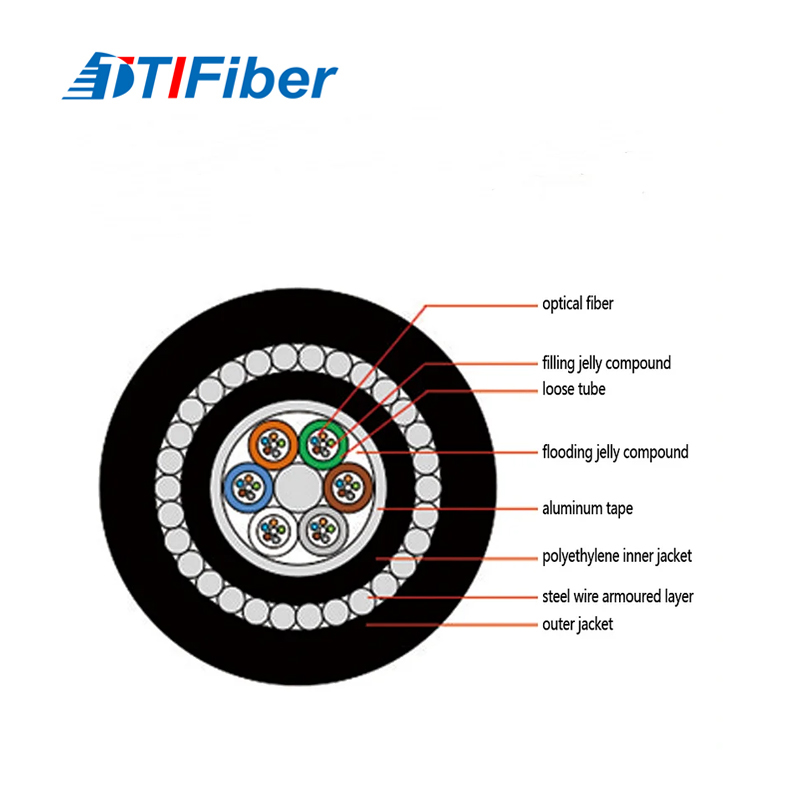
The steel used in SWA cables is not high-carbon tool steel, nor is it brittle cast iron. It is specifically low-carbon (mild) steel wire, typically containing less than 0.25% carbon.
What Kind of Steel Is Used in the SWA Layer

So what exactly does “correct” installation entail? Where do standards draw the line between best practice and code compliance? And why is grounding not just an electrical formality—but a foundational requirement for safety, reliability, and longevity?
What Do Electrical Codes Specifically Require for SWA Grounding
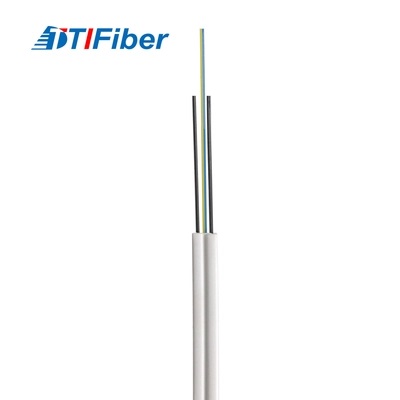
In a market where “SWA” can be loosely applied to substandard products, how do you ensure the cable you’re purchasing will truly perform as expected over its 25+ year design life? Verification isn’t optional—it’s essential. And it must happen before the cable leaves the factory, not after it fails in the field.
How Do You Verify the Quality of SWA Fiber Optic Cable
