



Optical Fiber with MPO Connectors Construction
author: TTI Fiber
2024-12-10
When it comes to building high-performance networks, optical fiber with MPO connectors is an essential component. These connectors help link fiber optic cables, allowing for fast, reliable data transmission in everything from data centers to telecom infrastructures. But have you ever wondered what goes into the construction of these fiber-optic systems? Let’s break it down and find out the key parts of optical fiber with MPO connectors in a way that’s easy to understand.
The Optical Fiber Where the Magic Happens
The optical fiber is where all the action happens. Think of it as the “highway” through which light signals travel. It’s built with precision to carry information across long distances with minimal signal loss. Here’s how it’s made:
- Core: The heart of the optical fiber, the core, is a tiny strand of glass or plastic (usually glass for better performance). This is where the light travels. The core can vary in size: single-mode fibers have a tiny core of about 8-10 microns, while multi-mode fibers are a bit wider, typically between 50-100 microns. The core's size determines how the light signals behave and how far they can travel.
- Cladding: Around the core is a layer called cladding, which reflects the light signals back into the core. This ensures that the light doesn’t escape and maintains the integrity of the signal. The cladding is made from a different type of glass, which has a lower refractive index than the core.
- Cladding: Around the core is a layer called cladding, which reflects the light signals back into the core. This ensures that the light doesn’t escape and maintains the integrity of the signal. The cladding is made from a different type of glass, which has a lower refractive index than the core.
- Buffer Coating: On top of the cladding, there’s a protective buffer coating that shields the fiber from physical damage and moisture. This layer is typically made of plastic, and it keeps the fiber flexible while preventing it from breaking.
- Outer Jacket: The final protective layer is the outer jacket, which surrounds the whole cable. This outer jacket is designed to protect the delicate fiber inside from abrasions, environmental factors like UV rays, and general wear and tear. It’s typically made from tough materials like PVC or thermoplastic elastomers.
MPO Connector Housing The Frame that Holds Everything Together
The MPO connector is like the plug that lets fiber optic cables connect to other parts of the network. The housing of the MPO connector is crucial because it keeps the fibers aligned and ensures a stable, secure connection. Here’s how the housing is designed:
- Plastic Housing: The outer part of the MPO connector is typically made from strong plastic (like polycarbonate), which helps protect the fibers inside. The plastic housing is durable, lightweight, and designed to ensure that the connector can handle repeated plug-and-play use.
- Alignment Pins: Inside the connector, you’ll find tiny alignment pins made from stainless steel. These pins are essential because they make sure the fibers inside the MPO connector line up perfectly with those in the mating connector. Proper alignment minimizes signal loss and ensures the connection is efficient.
- Keying Mechanism: To prevent users from connecting the wrong parts, MPO connectors include a keying mechanism. This ensures the connectors can only be inserted in one direction, preventing misalignment and ensuring proper optical performance.
- Ferrule: The ferrule is another key part inside the MPO connector. It holds the fibers in place and ensures they stay in perfect alignment. Ferrules are made from ceramic or composite materials, which provide stability and help ensure the fibers don’t shift or get damaged.
MPO Cable Assembly All the Parts Coming Together
An MPO cable assembly is like the final product that’s ready to be installed in your network. It’s essentially a pre-terminated fiber optic cable that’s been fitted with MPO connectors at both ends. Here’s what goes into the making of these cable assemblies:
- Fiber Optic Cable: The core of the assembly is the fiber optic cable itself, which is pre-terminated with MPO connectors. The fiber is carefully tested, labeled, and arranged to ensure that it performs to the highest standards.
- MPO Connectors: The connectors are attached to both ends of the fiber optic cable using precision techniques like fusion splicing or crimping. This ensures that the fibers stay securely in place, and the connectors perform as they should.
- Strength Members: Some cables include strength members made of materials like aramid yarn (think Kevlar) or fiberglass. These components add extra strength to the cable and prevent it from breaking during installation or handling.
- Protective Outer Jacket: Just like the individual optical fiber, the outer jacket of the cable protects everything inside from physical damage. This layer is designed to be tough and withstand environmental stress, ensuring that the fibers and connectors stay safe in a range of conditions.
MPO Connector Types: Choosing the Right Fit for Your Network
MPO connectors aren’t a one-size-fits-all solution. They come in different configurations to meet the specific needs of your network. The most common options are:
- 12-Fiber MPO: The 12-fiber MPO connector is the most commonly used. It’s often found in data centers and telecom systems, offering a great balance between performance and space-saving. This connector typically arranges the fibers in a 2x6 or 3x4 configuration.
- 24-Fiber MPO: As networks grow and require more bandwidth, 24-fiber MPO connectors are becoming increasingly popular. These connectors allow for more fibers in the same space, which means you can handle more data without needing more cables.
- 48-Fiber MPO: For ultra-high-density environments (think big data centers), 48-fiber MPO connectors are used. These connectors pack even more fibers into a small space, offering the highest capacity for data transmission.
MPO connectors can also be male or female. The male MPO connector has pins that align with the fibers in the female MPO connector, ensuring a stable and accurate connection.
Aligning and Polishing the Fibers
Once everything is in place, the fibers inside the MPO connector need to be aligned and polished. This process is crucial for ensuring the best possible performance.
- Fiber Alignment: The fibers inside the MPO connector need to be aligned with pinpoint precision. Even a tiny misalignment can result in signal loss or degradation. Alignment pins inside the connector play a critical role in ensuring everything lines up correctly.
- Polishing: After the fibers are aligned, they need to be polished to remove any imperfections and ensure a smooth connection. This step helps eliminate tiny imperfections that could affect the light signal, and it’s done carefully to ensure the best possible performance.
Conclusion
The construction of optical fiber with MPO connectors is a carefully designed process that ensures high-quality data transmission and reliable network performance. By combining the power of optical fiber with the flexibility of MPO connectors, these systems provide the backbone for modern data networks—from data centers to telecom systems.
Whether you’re setting up a new network or upgrading an existing one, understanding how optical fiber with MPO connectors is built can help you make informed decisions. The right choice of fiber, connectors, and cable assemblies will ensure your network is ready to handle the growing demand for faster speeds and higher data volumes.
As data usage continues to grow, optical fiber with MPO connectors will play a central role in building faster, more reliable networks. So, whether you’re installing them yourself or working with a professional, knowing how they work and why they’re built the way they are will help you make the most of your network investments.
TTI Fiber Communication Tech. Co., Ltd., is a professional manufacturer specialized in Fiber optic products for 13 years. Our factory located in Shenzhen, China, covers an area of 12,000 square meters and has obtained ISO9001, ISO14001, REACH, RoHS, CE and CPR certificates and so on. We have a wide range of fiber optic products, including Fiber Optic Cable, Fiber Optic Patch Cord, Fiber Optic Splitter, Fiber Optic Patch Panel, FTTx products, etc. We also provide professional Fiber Cabling Solutions and one-stop OEM & ODM service.
MTP Connector vs. MPO Connector
Everything About Optical Fiber with MPO Connectors
Related Article
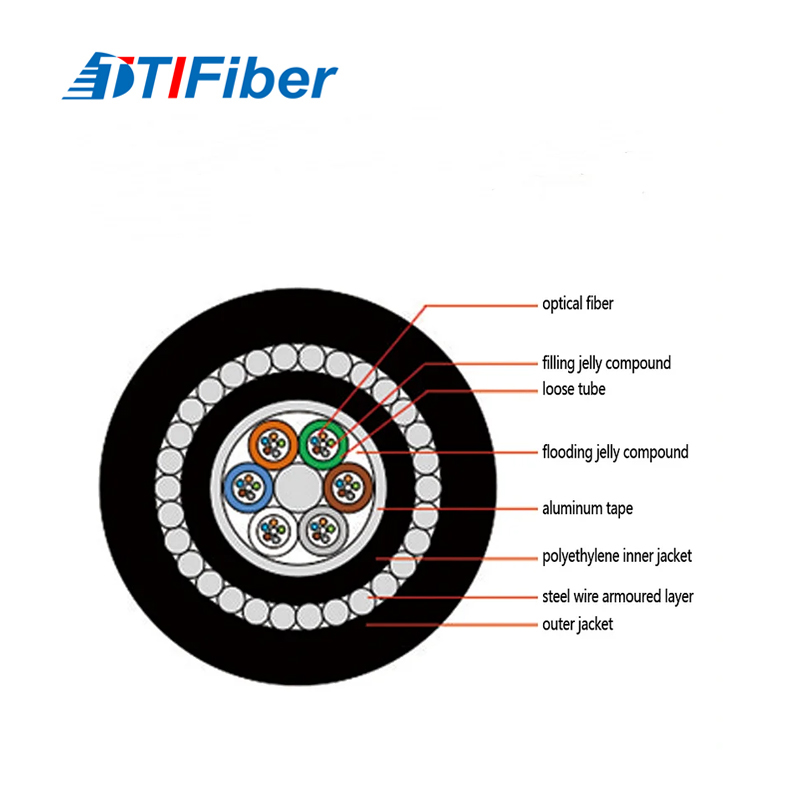
The steel used in SWA cables is not high-carbon tool steel, nor is it brittle cast iron. It is specifically low-carbon (mild) steel wire, typically containing less than 0.25% carbon.
What Kind of Steel Is Used in the SWA Layer

So what exactly does “correct” installation entail? Where do standards draw the line between best practice and code compliance? And why is grounding not just an electrical formality—but a foundational requirement for safety, reliability, and longevity?
What Do Electrical Codes Specifically Require for SWA Grounding
In a market where “SWA” can be loosely applied to substandard products, how do you ensure the cable you’re purchasing will truly perform as expected over its 25+ year design life? Verification isn’t optional—it’s essential. And it must happen before the cable leaves the factory, not after it fails in the field.
How Do You Verify the Quality of SWA Fiber Optic Cable
