



Outdoor Fiber Optic Termination Boxes Raw Materials of Different Structures
author: TTI Fiber
2025-03-18
When it comes to outdoor fiber optic termination boxes, the choicse of raw materials used in their construction is more than just a design decision—it directly impacts the box’s durability, performance, and longevity. TTI Fiber will share why the right materials matter for each part of the structure and how they influence the functionality of the box in various environments.
1. Housing Material: Protecting Against the Elements
The housing or enclosure is the outer shell of the termination box, and it must be tough enough to shield the internal components from rain, UV radiation, extreme temperatures, and physical impacts. If the material is subpar, the box can degrade quickly, leading to poor performance and costly repairs.
Why It Matters:
- Weather Resistance: Materials like stainless steel, galvanized steel, and aluminum offer strong resistance against corrosion, making them perfect for coastal areas where saltwater and humidity are high.
- Impact Protection: Fiberglass and polycarbonate are lightweight yet highly durable, offering protection against physical damage in harsh outdoor environments, like construction sites.
Popular Materials:
- Stainless Steel: Corrosion-resistant and incredibly strong, ideal for high-humidity areas or near the coast.
- Aluminum: Lightweight and resistant to corrosion, perfect for applications where weight is a concern.
- Polycarbonate or ABS Plastic: Cost-effective, lightweight, and resistant to UV rays, used in less harsh environments.
- Weather Resistance: Materials like stainless steel, galvanized steel, and aluminum offer strong resistance against corrosion, making them perfect for coastal areas where saltwater and humidity are high.
- Impact Protection: Fiberglass and polycarbonate are lightweight yet highly durable, offering protection against physical damage in harsh outdoor environments, like construction sites.
Popular Materials:
- Stainless Steel: Corrosion-resistant and incredibly strong, ideal for high-humidity areas or near the coast.
- Aluminum: Lightweight and resistant to corrosion, perfect for applications where weight is a concern.
- Polycarbonate or ABS Plastic: Cost-effective, lightweight, and resistant to UV rays, used in less harsh environments.
2. Fiber Splice Trays: Keeping Your Fiber Safe and Organized
Inside the box, splicing trays are used to manage and protect the fiber optic cables, which are sensitive to strain and pressure. These trays should be sturdy enough to hold the fibers in place and ensure easy access for maintenance.
Why It Matters:
- Durability: Materials like polycarbonate and ABS plastic are durable enough to withstand temperature fluctuations, ensuring that the fibers stay secure.
- Non-reactivity: Splicing trays need to be chemically resistant to ensure that they don’t react with the fiber coatings or the environment.
- Durability: Materials like polycarbonate and ABS plastic are durable enough to withstand temperature fluctuations, ensuring that the fibers stay secure.
- Non-reactivity: Splicing trays need to be chemically resistant to ensure that they don’t react with the fiber coatings or the environment.
Popular Materials:
- Polycarbonate: Known for its strength, flexibility, and clarity, making it ideal for fiber management.
- ABS Plastic: Lightweight, durable, and resistant to impact, making it a cost-effective option for splice trays.
- Polycarbonate: Known for its strength, flexibility, and clarity, making it ideal for fiber management.
- ABS Plastic: Lightweight, durable, and resistant to impact, making it a cost-effective option for splice trays.
3. Seals and Gaskets: Maintaining a Waterproof Barrier
The seals and gaskets inside the termination box play a critical role in keeping moisture, dirt, and dust out. These materials need to provide a strong seal while being flexible enough to accommodate environmental changes (like temperature fluctuations).
Why It Matters:
- Waterproofing: Materials like silicone rubber offer excellent sealing properties, ensuring that the box remains waterproof even in heavy rain.
- UV Resistance: Seals exposed to sunlight should be UV resistant to prevent cracking and degradation over time.
- Waterproofing: Materials like silicone rubber offer excellent sealing properties, ensuring that the box remains waterproof even in heavy rain.
- UV Resistance: Seals exposed to sunlight should be UV resistant to prevent cracking and degradation over time.
Popular Materials:
- Silicone Rubber: Flexible, durable, and resistant to high temperatures, making it ideal for waterproofing.
- EPDM Rubber: A synthetic rubber that’s resistant to UV rays, ozone, and extreme temperatures, perfect for outdoor use.
- Silicone Rubber: Flexible, durable, and resistant to high temperatures, making it ideal for waterproofing.
- EPDM Rubber: A synthetic rubber that’s resistant to UV rays, ozone, and extreme temperatures, perfect for outdoor use.
4. Cable Management Components: Keeping Things Neat and Organized
Proper cable management is essential to keep fiber optic cables organized and reduce the risk of damage. These components, including cable trays, clips, and guides, should be designed to handle the stress of organizing multiple cables while maintaining the integrity of the fibers.
Why It Matters:
- Strength: Components like stainless steel and polypropylene ensure that cables are securely held without putting excess strain on the fibers.
- Ease of Access: Materials that don’t easily degrade ensure that cables can be accessed easily for future maintenance or upgrades.
- Strength: Components like stainless steel and polypropylene ensure that cables are securely held without putting excess strain on the fibers.
- Ease of Access: Materials that don’t easily degrade ensure that cables can be accessed easily for future maintenance or upgrades.
Popular Materials:
- Polypropylene: Highly durable and resistant to environmental stress, it’s commonly used in cable clips and guides.
- Stainless Steel: Ideal for heavy-duty cable management systems where extra strength is needed to hold cables in place.
- Polypropylene: Highly durable and resistant to environmental stress, it’s commonly used in cable clips and guides.
- Stainless Steel: Ideal for heavy-duty cable management systems where extra strength is needed to hold cables in place.
5. Ventilation and Drainage: Preventing Heat Build-Up and Moisture Accumulation
To ensure the internal components stay at optimal temperatures and free from moisture, proper ventilation and drainage are critical. Materials used for vent covers and drainage systems must withstand both airflow and water exposure.
Why It Matters:
- Moisture Control: Without proper ventilation, the interior of the box can become a breeding ground for moisture and mold, damaging the fiber optic equipment.
- Airflow: Ensuring the box is well-ventilated helps prevent overheating, which could shorten the lifespan of the internal components.
- Moisture Control: Without proper ventilation, the interior of the box can become a breeding ground for moisture and mold, damaging the fiber optic equipment.
- Airflow: Ensuring the box is well-ventilated helps prevent overheating, which could shorten the lifespan of the internal components.
Popular Materials:
- Polycarbonate Mesh: Used in vents to allow airflow while keeping debris and insects out.
- Stainless Steel: Sometimes used for the mesh cover of ventilation holes to provide extra durability and protection against rust.
- Polycarbonate Mesh: Used in vents to allow airflow while keeping debris and insects out.
- Stainless Steel: Sometimes used for the mesh cover of ventilation holes to provide extra durability and protection against rust.
6. Locking Mechanism: Keeping Everything Secure
The locking mechanism on the termination box ensures that the box remains securely closed and prevents unauthorized access while protecting the contents from tampering.
Why It Matters:
- Security: Materials like stainless steel ensure the locking mechanism is strong, durable, and tamper-proof.
- Corrosion Resistance: The locking system must withstand outdoor weather conditions without rusting or losing functionality.
- Security: Materials like stainless steel ensure the locking mechanism is strong, durable, and tamper-proof.
- Corrosion Resistance: The locking system must withstand outdoor weather conditions without rusting or losing functionality.
Popular Materials:
- Stainless Steel: Often used for latches and locks due to its durability and resistance to corrosion.
- Polycarbonate: Lightweight and effective for smaller, cost-sensitive locking mechanisms.
- Stainless Steel: Often used for latches and locks due to its durability and resistance to corrosion.
- Polycarbonate: Lightweight and effective for smaller, cost-sensitive locking mechanisms.
Material Choice is Key for Long-Lasting Fiber Optic Termination Boxes
The raw materials used in outdoor fiber optic termination boxes directly affect their performance, longevity, and resistance to environmental factors. By choosing the right materials for each component—whether it’s corrosion-resistant stainless steel for the housing or silicone rubber for the seals—you ensure that the box will withstand the rigors of outdoor environments while providing reliable, high-performance fiber connections.
When selecting a fiber optic termination box, consider the specific conditions it will face, such as exposure to UV rays, saltwater, or high temperatures, and choose materials that match the box's intended use. A well-chosen box made with the right materials will save you time and money by reducing the risk of maintenance issues and extending the service life of your fiber optic network.
TTI Fiber s a newer company in the fiber optic industry but has quickly earned a reputation for producing reliable and affordable network infrastructure products.
TTI Fiber is a newer but reputable player in the market, offering a range of fiber optic termination boxes for both indoor and outdoor use. Their products are popular for their simple designs and affordability.

Why Choose TTI Fiber?
- Affordable options: TTI Fiber provides cost-effective solutions for businesses looking to manage fiber optic connections without breaking the budget.
- User-friendly designs: Their termination boxes are designed for easy installation and maintenance, making them suitable for both novice and experienced installers.
- Reliable protection: Despite their affordability, TTI Fiber’s products are built to offer reliable protection against the elements.
- Affordable options: TTI Fiber provides cost-effective solutions for businesses looking to manage fiber optic connections without breaking the budget.
- User-friendly designs: Their termination boxes are designed for easy installation and maintenance, making them suitable for both novice and experienced installers.
- Reliable protection: Despite their affordability, TTI Fiber’s products are built to offer reliable protection against the elements.
What to Look for When Choosing Outdoor Fiber Optic Termination Box
Top Brands And Manufacturers Of Outdoor Fiber Optic Termination Boxes
Related Article
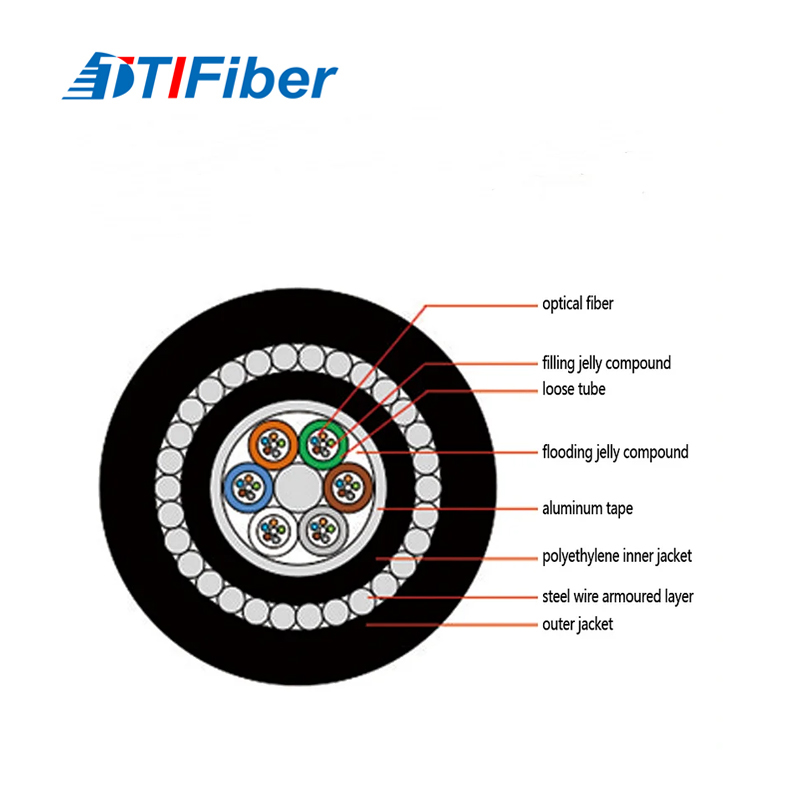
The steel used in SWA cables is not high-carbon tool steel, nor is it brittle cast iron. It is specifically low-carbon (mild) steel wire, typically containing less than 0.25% carbon.
What Kind of Steel Is Used in the SWA Layer

So what exactly does “correct” installation entail? Where do standards draw the line between best practice and code compliance? And why is grounding not just an electrical formality—but a foundational requirement for safety, reliability, and longevity?
What Do Electrical Codes Specifically Require for SWA Grounding
In a market where “SWA” can be loosely applied to substandard products, how do you ensure the cable you’re purchasing will truly perform as expected over its 25+ year design life? Verification isn’t optional—it’s essential. And it must happen before the cable leaves the factory, not after it fails in the field.
How Do You Verify the Quality of SWA Fiber Optic Cable
