



SC (Subscriber Connector) Fiber Optic Connector Modern Communication Networks
author: TTI Fiber
2024-07-03
A Versatile Backbone of Modern Communication Networks SC (Subscriber Connector) Fiber Optic Connector
Fiber optic technology has transformed the landscape of communication networks, enabling lightning-fast data transmission over vast distances. At the heart of this technology lies a multitude of fiber optic connectors, each designed for specific applications and environments. Among these connectors, the SC (Subscriber Connector) connector stands out for its versatility, reliability, and ease of use. Next TTI Fiber will share the intricacies of the SC connector, exploring its key features, applications, and significance in modern communication networks.
What is Fiber Optic Connector?
Fiber optic connector is a critical component in the world of fiber optic networks, serving as the bridge that connects various devices and facilitates the seamless transmission of optical signals. These connectors play a vital role in ensuring data travels efficiently through fiber optic cables, maintaining the integrity and speed of the network. However, with a wide array of fiber optic connectors available on the market, selecting the right one for your specific application can be a daunting task. Each type of connector is designed with unique characteristics, offering various benefits and limitations.
What Are the Types of Fiber Connectors?
Fiber optic connectors are essential components that ensure seamless communication between fiber optic cables and networking equipment. These connectors come in a variety of forms, each designed to meet specific performance requirements and to provide optimal compatibility with different applications. The choice of connector is influenced by several key factors, including physical size, insertion loss, return loss, durability, ease of use, and overall cost, both for the connector itself and the equipment it will connect.
Among the many types of connectors, the SC connector stands out as one of the most widely used. Its popularity in telecommunications networks is attributed to its reliable push-pull latching mechanism, which allows for quick and secure connections with minimal effort. This easy-to-use feature makes the SC connector an ideal choice for both installation and maintenance in high-demand environments.
What is the SC Connector?
The SC connector, also known as the Subscriber Connector, is a square-shaped fiber optic connector renowned for its push-pull coupling mechanism. This mechanism allows for quick and efficient connections without the need for special tools, making it ideal for various applications. Unlike some other connectors with round shapes, such as the ST connector, the SC connector's square shape facilitates easy identification and differentiation from other connectors.
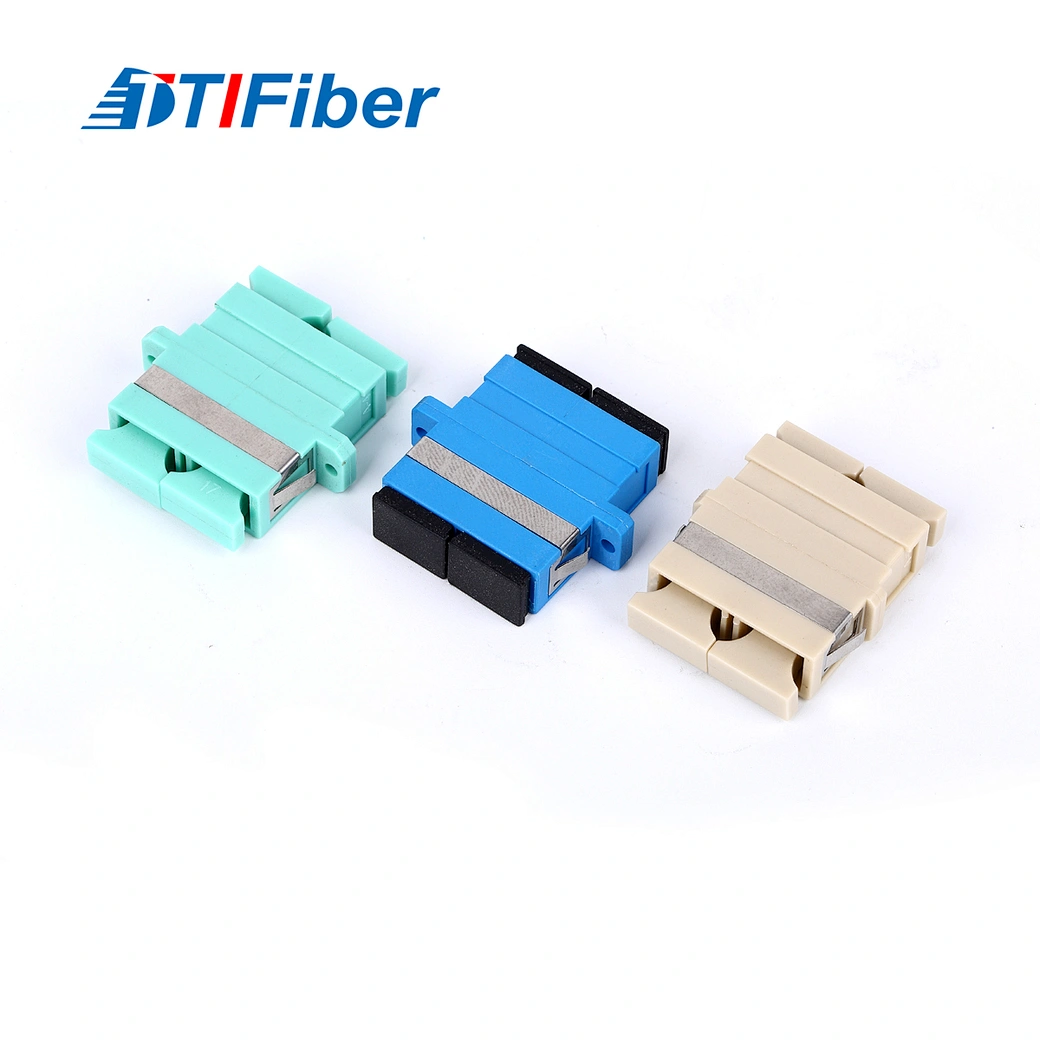
Do You Know This Key Features of the SC Connector?
The hallmark feature of the SC connector is its push-pull coupling mechanism. This mechanism enables users to effortlessly connect and disconnect fibers with a simple push or pull motion. It ensures a secure and stable connection while streamlining installation and maintenance procedures.
The SC (Subscriber Connector) fiber optic connector boasts several key features that contribute to its widespread adoption and effectiveness in various applications. Below are these key features:
Push-Pull Coupling Mechanism: One of the standout features of the SC connector is its push-pull coupling mechanism. This mechanism enables quick and straightforward connections without the need for specialized tools. Users can easily insert or remove the connector with a simple push or pull motion, making installations and maintenance tasks significantly more efficient.
Square Shape: Unlike some other fiber optic connectors with round shapes, such as the ST connector, the SC connector features a square shape. This design not only provides a distinctive appearance but also offers practical benefits. The square shape helps users identify SC connectors easily, especially in densely populated fiber optic patch panels or equipment racks.
Ceramic Ferrule: The SC connector typically utilizes a ceramic ferrule—a small, precisely engineered component that holds the fiber optic strands in place. Ceramic is chosen for its exceptional durability, precision, and resistance to wear. The ceramic ferrule ensures precise alignment of the fibers, minimizing insertion loss and maximizing signal integrity.
Single-Mode and Multimode Compatibility: SC connectors are available in configurations suitable for both single-mode and multimode fibers. This versatility allows for their deployment in a wide range of applications, including long-distance telecommunications, high-speed data networks, and local area networks (LANs). Whether transmitting data over long distances or within a confined space, SC connectors offer compatibility with various fiber types.
Duplex Configuration: SC connectors are commonly used in duplex configurations, enabling the simultaneous transmission of two separate data streams. This duplex configuration is particularly useful in applications requiring bidirectional communication, such as LANs, fiber-to-the-home (FTTH) networks, and multimedia transmission systems. With SC duplex connectors, users can efficiently manage and transmit multiple data streams over a single fiber optic link.
These key features collectively contribute to the SC connector's reputation as a reliable, versatile, and efficient fiber optic connector. Whether deployed in enterprise networks, telecommunications infrastructure, data centers, or residential installations, the SC connector continues to play a vital role in facilitating seamless communication and data transmission. Its ease of use, compatibility with various fiber types, and robust construction make it a preferred choice for professionals across diverse industries seeking high-performance connectivity solutions.

What is the Applications of the SC Connector
The SC (Subscriber Connector) fiber optic connector finds extensive use across a multitude of applications due to its versatility, reliability, and ease of use. Let's delve deeper into some of the key applications where SC connectors play a crucial role:
Enterprise Networks: SC connectors are the backbone of enterprise networks, facilitating high-speed data transmission between networking equipment such as switches, routers, and servers. Their reliability and ease of installation make them a preferred choice for corporate environments where seamless connectivity and data transfer are paramount.
Fiber-to-the-Home (FTTH) Installations: In FTTH installations, SC connectors are instrumental in connecting optical fibers to residential premises. They enable the delivery of high-speed internet, television, and phone services to homes and businesses, supporting the growing demand for broadband connectivity in urban and rural areas alike.
Cable Television (CATV) Systems: SC connectors are integral components of CATV systems, where they facilitate the transmission of high-definition video and audio signals over fiber optic cables. Their high performance and compatibility with modern multimedia formats ensure the delivery of high-quality entertainment content to consumers.
Data Centers: In data center environments, where high-speed data transmission is crucial for mission-critical operations, SC connectors play a vital role. They interconnect networking equipment, servers, storage devices, and other components, ensuring seamless communication and data transfer within the data center infrastructure.
Telecommunications Networks: SC connectors are widely deployed in telecommunications networks for long-distance data transmission. Their compatibility with single-mode fibers allows for efficient and reliable communication over vast distances, making them essential components of modern telecommunications infrastructure.
Local Area Networks (LANs): In LAN environments, SC connectors provide reliable connectivity for interconnecting computers, printers, and other network devices. Their versatility and compatibility with both single-mode and multimode fibers make them suitable for various LAN configurations, ensuring smooth and efficient data exchange within organizations.
Industrial Applications: SC connectors are also used in various industrial applications where robust and reliable connectivity is required. They can withstand harsh environmental conditions, making them suitable for use in manufacturing facilities, industrial automation systems, and other industrial settings where ruggedized connectivity solutions are needed.
The SC connector's versatility, reliability, and performance make it indispensable across a wide range of applications, including enterprise networks, FTTH installations, CATV systems, data centers, telecommunications networks, LANs, and industrial environments. As the demand for high-speed connectivity continues to grow, the SC connector remains a cornerstone of modern communication infrastructure, enabling seamless communication and data transmission in an increasingly interconnected world.

The SC Connector — A Pillar of Connectivity
In conclusion, the SC connector stands as a testament to the evolution of fiber optic technology, offering unparalleled versatility, reliability, and performance. Its push-pull coupling mechanism, square shape, ceramic ferrule, compatibility with single-mode and multimode fibers, and duplex configuration make it an ideal choice for a wide range of applications. Whether used in enterprise networks, FTTH installations, CATV systems, data centers, or telecommunications networks, the SC connector plays a crucial role in facilitating seamless communication and data transmission. As the demand for high-speed connectivity continues to grow, the SC connector remains a pillar of modern communication networks, driving innovation and connectivity in an ever-evolving digital landscape.
FC (Ferrule Connector) Connector Robust Solution for Fiber Optic Connectivity
The Difference Between OPGW And Traditional Wires
Related Article
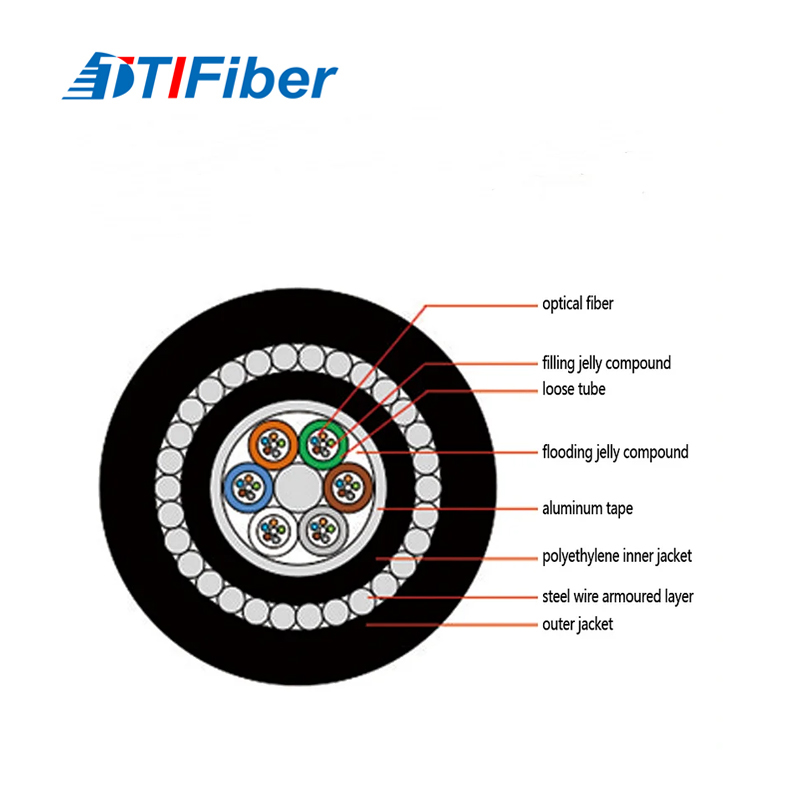
The steel used in SWA cables is not high-carbon tool steel, nor is it brittle cast iron. It is specifically low-carbon (mild) steel wire, typically containing less than 0.25% carbon.
What Kind of Steel Is Used in the SWA Layer

So what exactly does “correct” installation entail? Where do standards draw the line between best practice and code compliance? And why is grounding not just an electrical formality—but a foundational requirement for safety, reliability, and longevity?
What Do Electrical Codes Specifically Require for SWA Grounding
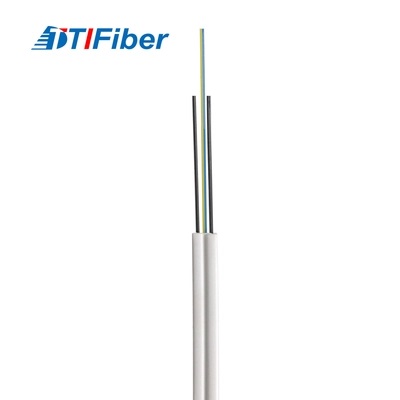
In a market where “SWA” can be loosely applied to substandard products, how do you ensure the cable you’re purchasing will truly perform as expected over its 25+ year design life? Verification isn’t optional—it’s essential. And it must happen before the cable leaves the factory, not after it fails in the field.
How Do You Verify the Quality of SWA Fiber Optic Cable
