



ST (Straight Tip) Connector - A Cornerstone of Fiber Optic Connectivity
author: TTI Fiber
2024-06-17
Table of contents:
What Is a St (Straight Tip) Connector
Unpacking the Anatomy of St Connectors
What Is a Straight Tip Connector Used For
Straight Tip applications in the Real World
Advantages of St Connectors
Limitations of St Connectors
Unpacking the Anatomy of St Connectors
What Is a Straight Tip Connector Used For
Straight Tip applications in the Real World
Advantages of St Connectors
Limitations of St Connectors
What Is a ST (Straight Tip) Connector - A Cornerstone of Fiber Optic Connectivity
For fiber optic communications, the ST (Straight Tip) connector stands as an enduring symbol of reliability and durability. Developed by AT&T in the 1980s, the ST connector swiftly emerged as one of the pioneering solutions for fiber optic terminations, setting a benchmark for subsequent innovations in the field.
Unpacking the Anatomy of ST Connectors
Bayonet Coupling Mechanism: At the heart of the ST connector lies its distinctive bayonet coupling mechanism. This ingenious design allows for swift and secure connections, as users align the connector before a simple twist locks it into place securely. This mechanism not only ensures a tight connection but also facilitates rapid installations, a vital aspect in time-sensitive projects.
Cylindrical Ferrule: The cylindrical ferrule, often crafted from ceramic material, serves as the core component of the ST connector. It delicately holds the fiber in position, guaranteeing meticulous alignment crucial for optimal signal transmission. Further, the ferrule's spring-loaded nature exerts consistent pressure, maintaining impeccable contact between fibers and minimizing signal loss.
Robust Construction: Renowned for its durability, the ST connector boasts a sturdy metal housing that shields the delicate internal components from external hazards. This robust construction renders the connector resilient to harsh environmental conditions and high-vibration environments, making it a preferred choice for mission-critical applications.
Compatibility: Versatility is a hallmark of the ST connector, as it seamlessly integrates with both single-mode and multimode fiber optic cables. This compatibility ensures flexibility in network design and deployment, catering to diverse communication requirements across industries.
What is a Straight Tip connector used for?
A Straight Tip (ST) connector is commonly used in fiber optic networking. It's a type of connector with a round ceramic ferrule that holds the fiber and a bayonet mount for secure locking. The ST connector is widely used in both single-mode and multimode fiber optic systems, including data communications and telecommunications networks.
Key Uses of ST Connectors:
- Network Installations: ST connectors are used in fiber optic network installations for connecting cables to networking equipment, such as switches, routers, and patch panels.
- Telecommunications: They are employed in telecommunications networks for long-distance and high-speed data transmission.
- Data Centers: ST connectors are found in data centers where reliable and fast connections are crucial.
- Test Equipment: They are also used in test equipment for fiber optic systems due to their ease of use and reliability.
- Network Installations: ST connectors are used in fiber optic network installations for connecting cables to networking equipment, such as switches, routers, and patch panels.
- Telecommunications: They are employed in telecommunications networks for long-distance and high-speed data transmission.
- Data Centers: ST connectors are found in data centers where reliable and fast connections are crucial.
- Test Equipment: They are also used in test equipment for fiber optic systems due to their ease of use and reliability.
Despite being less common today compared to other connectors like LC and SC, ST connectors are still used in older network installations and certain niche applications.
Straight Tip Applications in the Real World
ST connectors find widespread utility across various sectors, underscoring their adaptability and reliability in demanding environments:
Networking: ST connectors are a staple in networking infrastructures, facilitating high-speed data transmission in corporate networks, educational institutions, and research facilities.
Telecommunications: Telecommunication networks rely on ST connectors for their steadfast performance, ensuring seamless connectivity in telecommunications exchanges, data centers, and fiber-to-the-home (FTTH) installations.
Industrial Applications: In industrial settings, where resilience is paramount, ST connectors shine bright, serving in industrial automation, control systems, and harsh manufacturing environments.
Military and Aerospace: The ruggedness and durability of ST connectors make them indispensable in military and aerospace applications, where communication systems must endure extreme conditions and maintain unwavering reliability.
Advantages of ST Connectors
ST (Straight Tip) connectors offer a myriad of advantages, making them a preferred choice for various fiber optic applications. Here are the key advantages:
1. Reliability: ST connectors are renowned for their robustness and reliability. The bayonet-style coupling mechanism ensures a secure and stable connection, minimizing the risk of signal interruptions or disconnections. In mission-critical environments where uptime is crucial, the reliability of ST connectors provides peace of mind to network operators and end-users alike.
2. Ease of Use: One of the standout features of ST connectors is their user-friendly design. The bayonet coupling mechanism allows for quick and straightforward installations, eliminating the need for specialized tools or complex procedures. This ease of use not only simplifies initial deployments but also facilitates maintenance tasks, reducing downtime and operational costs.
3. Compatibility: ST connectors are compatible with a wide range of fiber optic cables and equipment, offering versatility in network design and integration. Whether it's single-mode or multimode fibers, ST connectors provide seamless connectivity, allowing for interoperability between different components of the network infrastructure. This compatibility ensures flexibility and scalability, enabling organizations to adapt to evolving communication needs effortlessly.
4. Durability: Constructed with durability in mind, ST connectors feature a sturdy metal housing that provides protection against environmental factors and mechanical stresses. This rugged construction makes ST connectors suitable for deployment in harsh environments, such as industrial facilities, outdoor installations, and military applications. The resilience of ST connectors ensures long-term performance and minimizes the risk of damage or failure, even in demanding operating conditions.
5. Low Insertion Loss: ST connectors are engineered to minimize insertion loss, ensuring efficient transmission of light signals between fibers. Low insertion loss is critical for maintaining signal integrity and maximizing the performance of fiber optic networks, particularly in high-speed data transmission applications. The precise alignment and secure connection offered by ST connectors contribute to minimal signal attenuation, optimizing network efficiency and reliability.
6. Established Standardization:
As one of the earliest types of fiber optic connectors, ST connectors benefit from established standardization and widespread adoption in the industry. This standardized design ensures compatibility with a wide range of network equipment and components, simplifying procurement and deployment processes. Additionally, the abundance of ST-compatible products and accessories facilitates interoperability and reduces dependency on proprietary solutions, enhancing flexibility and choice for network operators.
Limitations of ST Connectors
While ST (Straight Tip) connectors are esteemed for their reliability and durability, they are not without their limitations. Understanding these constraints is crucial for making informed decisions in fiber optic network design and deployment. Here are the notable limitations of ST connectors:
1. Size Constraints: ST connectors are relatively larger compared to newer connector types such as LC and SC. This larger form factor can pose challenges in installations where space is limited, especially in high-density environments like data centers where every inch matters. As organizations strive to optimize space utilization, the bulkiness of ST connectors may necessitate careful planning to accommodate them effectively.
2. Mating Cycles: Like all mechanical connectors, ST connectors are subject to wear and tear with repeated mating and unmating cycles. Over time, the constant engagement and disengagement of connectors can lead to degradation in performance, resulting in increased insertion loss and potential signal disruptions. Regular maintenance and inspection are essential to monitor connector health and mitigate the effects of wear, but frequent replacements may be required in high-traffic environments to ensure optimal performance.
3. Limited Compatibility with High-Speed Networks: While ST connectors are compatible with both single-mode and multimode fibers, their design may impose limitations on the achievable data rates in high-speed networks. The relatively larger core size and connector design may introduce higher insertion loss and signal dispersion compared to newer connector types optimized for high-speed transmission. In applications demanding ultra-fast data rates, such as in high-frequency trading or high-performance computing environments, alternative connector types with superior performance characteristics may be preferred over ST connectors.
4. Prone to Contamination: ST connectors, like all fiber optic connectors, are susceptible to contamination from dust, dirt, and other particulate matter. Even a small amount of debris on the connector end face can degrade signal quality and increase insertion loss. Proper handling, cleaning, and maintenance practices are essential to minimize the risk of contamination. However, the design of ST connectors, with their exposed ferrules and mating sleeves, may make them more prone to contamination compared to connectors with protective shutters or caps.
5. Complexity of Installation and Removal: While the bayonet-style coupling mechanism of ST connectors offers quick and secure connections, it may also introduce complexity during installation and removal, particularly in tight spaces or when working with multiple connectors simultaneously. The need to align the connector precisely before engaging the bayonet mechanism requires careful attention and may be challenging in certain scenarios, leading to potential installation errors or difficulties.
6. Limited Future-Proofing: As technology evolves and communication networks advance, the inherent limitations of ST connectors may become more pronounced. Their larger size, compatibility constraints, and performance characteristics may hinder their suitability for future-proofing network infrastructures against emerging technologies and bandwidth demands. Organizations seeking long-term investments in fiber optic connectivity may need to consider alternative connector types with greater scalability and compatibility with evolving network standards.
The ST (Straight Tip) connector stands as a testament to the enduring legacy of fiber optic technology. Its robust construction, reliability, and compatibility have solidified its position as a cornerstone of modern communication networks. As industries continue to evolve and demand higher bandwidths and faster speeds, the ST connector remains steadfast, ensuring seamless connectivity in an ever-connected world.
The Difference Between OPGW And Traditional Wires
Single Mode Fiber Patch Panels and Multimode Fiber Patch Panels Differences
Related Article
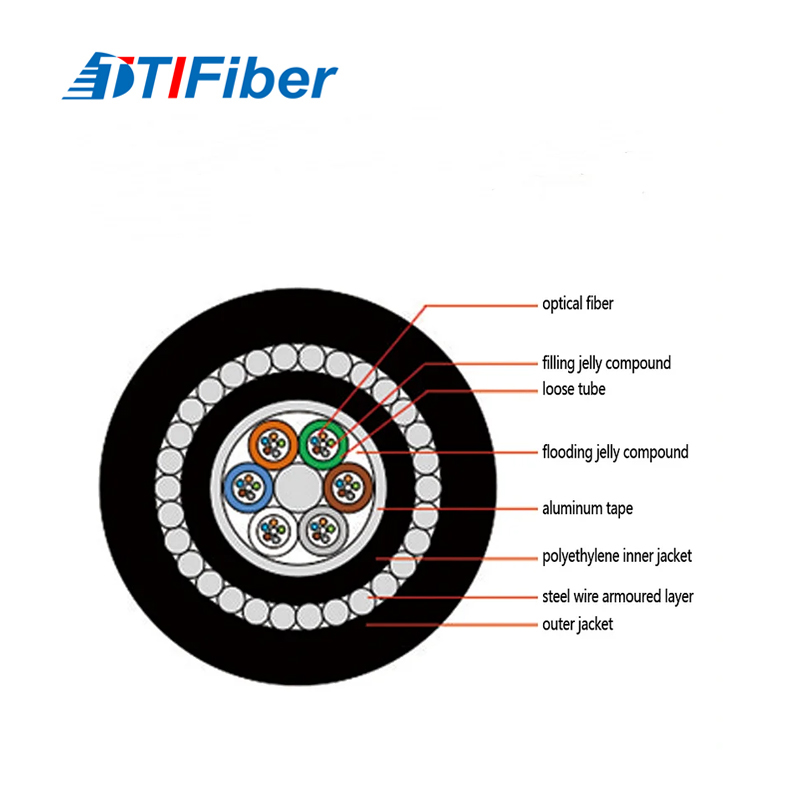
The steel used in SWA cables is not high-carbon tool steel, nor is it brittle cast iron. It is specifically low-carbon (mild) steel wire, typically containing less than 0.25% carbon.
What Kind of Steel Is Used in the SWA Layer

So what exactly does “correct” installation entail? Where do standards draw the line between best practice and code compliance? And why is grounding not just an electrical formality—but a foundational requirement for safety, reliability, and longevity?
What Do Electrical Codes Specifically Require for SWA Grounding
In a market where “SWA” can be loosely applied to substandard products, how do you ensure the cable you’re purchasing will truly perform as expected over its 25+ year design life? Verification isn’t optional—it’s essential. And it must happen before the cable leaves the factory, not after it fails in the field.
How Do You Verify the Quality of SWA Fiber Optic Cable
