



The Essential Benefits of Loose Tube OPGW for Your Power Systems
author: TTI Fiber
2024-10-10
If you're involved in power transmission or telecommunications, you need to know about Loose Tube OPGW (Optical Ground Wire). This innovative composite cable not only enhances the safety of overhead power lines but also significantly improves communication capabilities. Here’s why you should consider integrating Loose Tube OPGW into your infrastructure.
What is Loose Tube OPGW?
Loose Tube OPGW is a revolutionary cable that combines optical fibers with a robust loose tube design, all encased within protective aluminum or steel strands. This dual-purpose cable offers essential grounding for power lines while facilitating high-speed data transmission through the embedded optical fibers.
Why Choose Loose Tube OPGW?
1. Exceptional Protection and Flexibility: The unique loose tube design allows optical fibers to move freely, safeguarding them against mechanical stress, such as tension and temperature fluctuations. This means you can rely on consistent performance even in challenging conditions.
2. Streamlined Functionality: Why invest in separate grounding and communication systems when you can have both in one? Loose Tube OPGW eliminates the need for additional infrastructure, saving you time, money, and space while boosting efficiency.
3. Resilience Against the Elements: With high tensile strength, Loose Tube OPGW is engineered to withstand severe weather conditions—be it strong winds, ice, or heavy loads. This durability ensures your systems remain operational, no matter what nature throws at them.
OPGW Key Applications
Loose Tube OPGW is particularly suited for high-voltage transmission lines, where it plays a crucial role in grounding and data communication. It’s indispensable in smart grids, substations, and utility monitoring systems, ensuring seamless operations.
Loose Tube OPGW vs. Stranded Layer OPGW
When considering optical ground wire (OPGW) solutions, understanding the differences between Loose Tube OPGW and Stranded Layer OPGW is essential for making an informed decision.
•Construction Design - Loose Tube OPGW features optical fibers nestled within a flexible, free-moving tube. This design allows the fibers to shift slightly, accommodating temperature fluctuations and mechanical strain. In contrast, Stranded Layer OPGW integrates optical fibers directly into a stranded metallic structure, resulting in a more rigid and less adaptable configuration.
•Protection and Durability - The loose tube design of Loose Tube OPGW provides exceptional protection for the optical fibers, making it highly resilient against external stresses such as tension and bending. This flexibility helps maintain the integrity of the fibers over time. On the other hand, Stranded Layer OPGW, while offering reasonable protection, may expose the fibers to greater risk of damage due to their fixed positioning within the cable.
•Flexibility and Installation - Loose Tube OPGW’s flexible design makes installation more straightforward, particularly in challenging terrains. Its ability to accommodate movement without compromising fiber integrity simplifies the installation process. In contrast, the rigid structure of Stranded Layer OPGW may require more careful handling during installation, potentially limiting its use in certain environments.
•Performance in High-Voltage Applications - Loose Tube OPGW shines in high-voltage settings, maintaining consistent performance under varying conditions. Its protective features ensure reliable data transmission, even in harsh environments. Stranded Layer OPGW can also be used in high-voltage applications, but its rigidity may affect long-term performance when subjected to extreme conditions.
•Cost Considerations - In terms of cost, Loose Tube OPGW is often seen as a more cost-effective solution in the long run, thanks to its durability and lower maintenance needs. Conversely, Stranded Layer OPGW may have a lower initial cost, but it could incur higher maintenance expenses over time due to its susceptibility to damage.
Ultimately, the choice between Loose Tube OPGW and Stranded Layer OPGW depends on specific project requirements, including environmental factors, installation considerations, and long-term performance expectations. For those seeking maximum flexibility, protection, and durability—particularly in high-stress applications—Loose Tube OPGW emerges as the superior choice.
Installation and Maintenance Made Easy
Installing Loose Tube OPGW is straightforward, typically along the tops of transmission towers. Proper handling during installation is crucial to avoid damaging the delicate fibers. Furthermore, the reduced strain on fibers means lower maintenance needs—routine visual inspections and performance testing are usually sufficient to keep the system running smoothly.
Why It’s Perfect for High Voltage Applications
Loose Tube OPGW excels in high-voltage settings due to its protective loose tube structure, which shields optical fibers from tension and temperature changes. This ensures reliable data transmission performance over the long term, even in harsh environments.
Environmentally Friendly Choice
By minimizing the need for additional communication lines, Loose Tube OPGW reduces the environmental footprint of power transmission corridors. Its dual-purpose design maximizes efficiency while minimizing material use, making it a smart choice for sustainable operations.
If you're looking to enhance the safety and efficiency of your power systems, consider Loose Tube OPGW. Its combination of durability, versatility, and environmental responsibility makes it an invaluable asset in modern infrastructure. Don’t wait—integrate Loose Tube OPGW into your operations today and experience the difference!
FAQ related to Loose Tube OPGW:
1. What are the typical specifications for Loose Tube OPGW?
Loose Tube OPGW comes in various specifications, including fiber count, outer diameter, and tensile strength. Understanding these specifications is crucial for selecting the right cable for specific applications, as they impact performance, installation, and durability.
2. How does Loose Tube OPGW compare to traditional ground wires?
Unlike traditional ground wires, which solely serve the purpose of grounding, Loose Tube OPGW combines grounding and data transmission. This dual functionality not only enhances efficiency but also reduces the need for separate infrastructures, making it a cost-effective solution for modern power systems.
3. What are the installation requirements for Loose Tube OPGW?
Installing Loose Tube OPGW requires specific tools and expertise to ensure proper handling. Installation typically occurs along transmission towers, where careful attention must be paid to avoid damaging the loose tubes or optical fibers, ensuring optimal performance after installation.
4. Can Loose Tube OPGW be used in underground applications?
While Loose Tube OPGW is primarily designed for overhead applications, its robustness may allow for use in underground settings under certain conditions. Understanding the environmental factors and installation requirements for underground applications is essential for successful deployment.
5. What is the expected lifespan of Loose Tube OPGW?
Loose Tube OPGW is engineered for longevity, often lasting several decades with proper maintenance. Factors such as environmental exposure and mechanical stress can influence lifespan, so knowing these can help in planning long-term projects and budgeting for replacements.
6. How is Loose Tube OPGW affected by environmental factors?
The performance of Loose Tube OPGW can be influenced by environmental conditions, including temperature fluctuations, moisture, and wind. Understanding how these factors affect the cable can guide its deployment in various climates and help anticipate potential issues.
7. What maintenance practices are recommended for Loose Tube OPGW?
Regular maintenance, including visual inspections and performance testing of the optical fibers, is vital for ensuring the efficiency of Loose Tube OPGW. Best practices in maintenance can minimize downtime and extend the life of the cable, ultimately saving costs.
8. Are there any limitations or drawbacks to using Loose Tube OPGW?
While Loose Tube OPGW offers numerous advantages, it may also have limitations, such as higher initial costs compared to traditional cables or specific installation challenges. Identifying these drawbacks helps in making informed decisions regarding its use in power systems.
9. What certifications or standards should Loose Tube OPGW meet?
Loose Tube OPGW must comply with industry certifications and standards to ensure safety and reliability. Familiarity with these standards is important for project compliance and can affect the approval process for utility installations.
10. How can I determine the right type of Loose Tube OPGW for my project?
Selecting the appropriate Loose Tube OPGW involves evaluating project requirements, including environmental conditions, data transmission needs, and mechanical specifications. Guidance from manufacturers and industry experts can aid in making the best choice for specific applications.
How is Optical Fiber Attenuation Calculated?
Types of Fiber Optic Connectors and Their Advantage
Related Article
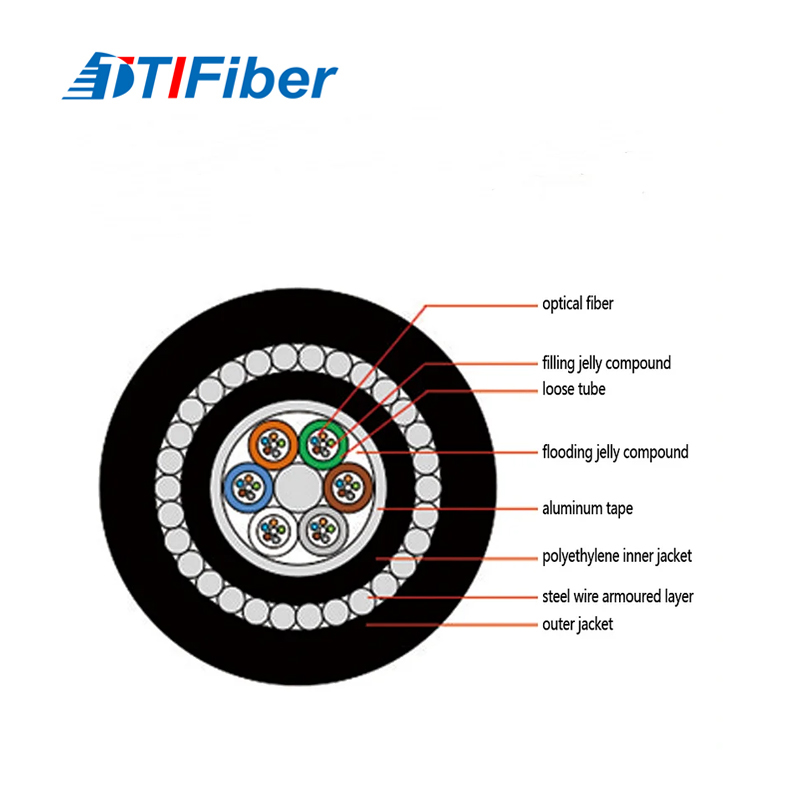
The steel used in SWA cables is not high-carbon tool steel, nor is it brittle cast iron. It is specifically low-carbon (mild) steel wire, typically containing less than 0.25% carbon.
What Kind of Steel Is Used in the SWA Layer

So what exactly does “correct” installation entail? Where do standards draw the line between best practice and code compliance? And why is grounding not just an electrical formality—but a foundational requirement for safety, reliability, and longevity?
What Do Electrical Codes Specifically Require for SWA Grounding
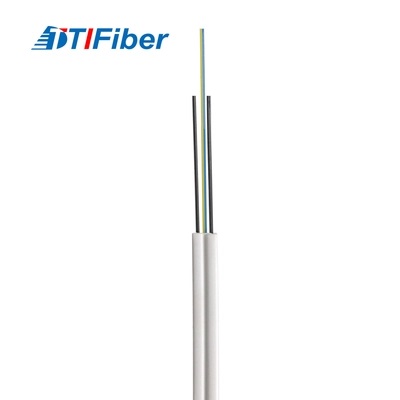
In a market where “SWA” can be loosely applied to substandard products, how do you ensure the cable you’re purchasing will truly perform as expected over its 25+ year design life? Verification isn’t optional—it’s essential. And it must happen before the cable leaves the factory, not after it fails in the field.
How Do You Verify the Quality of SWA Fiber Optic Cable
