



Types of Fiber Optic Connectors and Their Advantage
author: TTI Fiber
2024-10-10
Types of Fiber Optic Connectors and Their Uses
Fiber optic connectors are critical components in modern communication networks, enabling the precise alignment of fibers to ensure reliable data transmission. As the demand for high-speed data continues to grow, understanding the different types of fiber optic connectors and their specific applications becomes increasingly important. Here TTI Fiber explores the various types of fiber optic connectors, their unique features, and where they are most commonly used.
1. SC (Subscriber Connector)
The SC (Subscriber Connector) is a push-pull type connector that is widely used in data communication networks. It features a square-shaped design and uses a ceramic ferrule to ensure precise alignment of the fiber core.
SC connectors are commonly found in telecommunications, cable television, and data center applications. They are favored for their ease of installation, low insertion loss, and high performance in both single-mode and multi-mode fiber optic networks.
2. LC (Lucent Connector)
The LC (Lucent Connector) is a smaller form factor connector that uses a 1.25mm ferrule, making it half the size of an SC connector. It is a push-pull connector, similar in design to the SC, but with a more compact size.
LC connectors are popular in high-density networking environments, such as data centers and enterprise networks. Their small size allows for greater port density on patch panels and switches, making them ideal for applications where space is at a premium.
3. ST (Straight Tip) Connector
The ST (Straight Tip) connector features a bayonet-style coupling mechanism, with a round, keyed ferrule. It is one of the older types of fiber optic connectors and is known for its reliability and ease of use.
ST connectors are primarily used in campus networks, military applications, and some industrial environments. Although they have been largely replaced by newer connector types like SC and LC, ST connectors are still used in certain legacy systems.
4. FC (Ferrule Connector)
The FC (Ferrule Connector) is a threaded connector designed for single-mode fiber optic networks. It provides a secure connection by screwing onto the adapter, ensuring minimal signal loss.
FC connectors are commonly used in telecommunications, especially in high-vibration environments, such as industrial settings or outdoor installations. Their threaded design makes them highly reliable for long-distance and high-speed data transmission.
5. MTP/MPO (Multi-Fiber Push On/Pull Off) Connector
MTP/MPO connectors are multi-fiber connectors designed to terminate multiple fibers in a single connector. They can accommodate 12, 24, or even more fibers, making them ideal for high-density applications.
MTP/MPO connectors are widely used in data centers and enterprise networks, particularly in applications requiring high-speed data transmission over multiple fibers. They are commonly found in backbone cabling systems, high-performance computing environments, and large-scale storage networks.
6. E2000 Connector
The E2000 connector is a push-pull type connector with a built-in protective shutter that covers the ferrule when not in use. It is designed to provide a high level of performance with minimal insertion loss.
E2000 connectors are often used in telecommunications, CATV, and high-speed data networks. The built-in shutter protects the fiber end-face from dust and damage, making it suitable for environments where cleanliness and reliability are crucial.
7. MT-RJ (Mechanical Transfer Registered Jack) Connector
The MT-RJ connector is a small form factor connector that can terminate two fibers simultaneously. It resembles an RJ-style telephone jack, which makes it easy to use and install.
MT-RJ connectors are typically used in duplex fiber applications, such as in LANs and data communications. Their compact design makes them a good choice for environments where space-saving is a priority.
8. MU (Miniature Unit) Connector
Description: The MU connector is another small form factor connector, similar in size to the LC connector. It uses a 1.25mm ferrule and is designed for high-density applications.
Uses: MU connectors are primarily used in optical networking equipment and high-speed communication networks. Their compact size allows for high port density, making them suitable for environments where space and performance are critical.
Advantages and Disadvantages of 8 Types of Fiber Optic Connectors
Understanding the advantages and disadvantages of various fiber optic connectors can help in selecting the right one for specific applications. Below is a breakdown of the pros and cons of the eight common types of fiber optic connectors.
1. SC (Subscriber Connector)
Advantages:
- Easy to Use: The push-pull design makes it easy to connect and disconnect.
- Low Insertion Loss: Provides reliable performance with minimal signal loss.
- Durability: The robust design ensures long-term use without frequent replacements.
- High Availability: Widely used and readily available in the market.
Disadvantages:
- Size: Larger than some modern connectors, which can be a drawback in high-density applications.
- Limited Flexibility: The square design can be less flexible in certain installations compared to smaller connectors.
2. LC (Lucent Connector)
Advantages:
- Compact Size: Smaller than SC connectors, making it ideal for high-density environments.
- High Performance: Offers low insertion loss and high precision alignment.
- Versatility: Suitable for both single-mode and multi-mode fibers.
Disadvantages:
- Fragility: Smaller size makes it more delicate and prone to damage if not handled carefully.
- Higher Cost: Generally more expensive than SC connectors due to its smaller size and precision.
3. ST (Straight Tip) Connector
Advantages:
- Easy Installation: The bayonet-style coupling makes it easy to install and secure.
- Reliability: Known for stable performance in various environments.
- Legacy Support: Still used in older networks, making it a good choice for legacy systems.
Disadvantages:
- Obsolete Design: Largely replaced by more modern connectors like SC and LC.
- Size: Bulkier compared to newer connectors, which limits its use in high-density applications.
4. FC (Ferrule Connector)
Advantages:
- High Precision: The threaded design ensures a secure, precise connection, minimizing signal loss.
- Durability: Excellent for use in environments with high vibrations or mechanical stress.
- Single-Mode Focus: Particularly effective in single-mode fiber networks where high precision is required.
Disadvantages:
- Time-Consuming Installation: The screw-on mechanism can be slower to connect and disconnect compared to push-pull connectors.
- Limited Use: Primarily used in specific applications like telecommunications, limiting its versatility.
5. MTP/MPO (Multi-Fiber Push On/Pull Off) Connector
Advantages:
- High Fiber Count: Can connect multiple fibers (up to 24 or more) in a single connector, ideal for high-density applications.
- Time-Saving: Reduces the need for multiple individual connections, saving installation time.
- Scalability: Easily scalable for future expansions in data centers and enterprise networks.
Disadvantages:
- Complexity: Requires precise alignment and careful handling to avoid signal loss across multiple fibers.
- Cost: Generally more expensive due to its complexity and the high number of fibers it can terminate.
6. E2000 Connector
Advantages:
- Built-in Shutter: Protects the ferrule from dust and damage when not in use, maintaining signal quality.
- High Performance: Provides low insertion loss and excellent return loss.
- Reliability: Suitable for environments requiring high levels of cleanliness and performance.
Disadvantages:
- Cost: More expensive than standard connectors due to the added features like the protective shutter.
- Less Common: Not as widely available or used as SC or LC connectors, which may limit compatibility in some systems.
7. MT-RJ (Mechanical Transfer Registered Jack) Connector
Advantages:
- Space-Saving: The compact, RJ-style design is ideal for high-density applications.
- Duplex Support: Can connect two fibers simultaneously, simplifying installations.
- Ease of Use: The RJ-style connection is familiar and easy to use.
Disadvantages:
- Limited Fiber Types: Primarily used with multi-mode fibers, limiting its application in single-mode networks.
- Less Robust: Not as durable or reliable in harsh environments compared to other connectors like ST or FC.
8. MU (Miniature Unit) Connector
Advantages:
- Compact Design: Smaller than SC and ST connectors, making it suitable for high-density applications.
- High Performance: Offers precise alignment and low insertion loss, similar to the LC connector.
- Versatile: Can be used in both single-mode and multi-mode fiber networks.
Disadvantages:
- Fragility: The small size makes it more susceptible to damage.
- Limited Availability: Less common than other connectors like SC, LC, and ST, which might limit its use in some networks.
Each type of fiber optic connector comes with its unique set of advantages and disadvantages, making them suitable for different applications. SC and LC connectors are widely used due to their reliability and performance, while ST and FC connectors are more specialized, often found in legacy or industrial applications. MTP/MPO connectors are ideal for high-density, multi-fiber environments like data centers, whereas connectors like the E2000 offer enhanced protection features. Understanding these pros and cons can help in selecting the right connector type for your specific network needs.
What Are Fiber Optic Connectors Used For?
Fiber optic connectors are essential components in modern communication networks, enabling the precise connection and alignment of optical fibers. They play a critical role in ensuring the efficient transmission of data, voice, and video signals over long distances. Here’s a look at what fiber optic connectors are used for and their significance in various applications:
1. Connecting Optical Fibers
The primary function of fiber optic connectors is to join two optical fibers together in a way that allows light signals to pass from one fiber to the other with minimal loss or reflection. This connection must be precise to maintain the integrity of the signal, which is crucial for high-speed data transmission.
2. Network Infrastructure
Fiber optic connectors are widely used in network infrastructure to connect different segments of fiber optic cables. This includes:
- Telecommunications Networks: Fiber optic connectors are used to link different sections of a telecommunications network, including long-distance and local connections.
- Data Centers: In data centers, fiber optic connectors are essential for connecting servers, storage devices, and network switches, enabling fast and reliable data transfer.
- Enterprise Networks: Large organizations use fiber optic connectors to connect their internal networks, ensuring efficient communication between different departments and remote offices.
3. Cable Management
In addition to connecting fibers, fiber optic connectors also facilitate efficient cable management. They allow for easy connection and disconnection of fibers, making it easier to maintain and upgrade networks. Connectors also help in organizing cables, reducing clutter, and improving airflow in data centers and network closets.
4. Testing and Troubleshooting
Fiber optic connectors are used in testing and troubleshooting fiber optic networks. Technicians use connectors to link test equipment to the network, enabling them to measure signal strength, detect faults, and ensure that the network is functioning correctly.
5. Splicing and Repair
In situations where a fiber optic cable is damaged or needs to be extended, fiber optic connectors are used to splice the fibers together. This process involves precisely aligning the fibers and securing them with a connector to ensure a continuous and reliable connection.
6. Television and Internet Services
Fiber optic connectors are also used in delivering television and internet services to homes and businesses. They are essential in connecting the fiber optic cables that carry these signals to the customer’s premises, ensuring high-quality service.
7. Medical Applications
In the medical field, fiber optic connectors are used in various imaging and diagnostic devices. These connectors are critical for ensuring that optical fibers deliver precise and clear images, which are essential for accurate diagnosis and treatment.
8. Military and Aerospace Applications
Fiber optic connectors are also used in military and aerospace applications, where they provide secure and reliable communication in harsh environments. These connectors are designed to withstand extreme temperatures, vibrations, and other challenging conditions.
Fiber optic connectors are vital components in modern communication networks, enabling the precise connection of optical fibers to ensure efficient data transmission. They are used in a wide range of applications, from telecommunications and data centers to medical imaging and military communications. By facilitating reliable and high-speed data transfer, fiber optic connectors play a crucial role in the functioning of our connected world.
The Essential Benefits of Loose Tube OPGW for Your Power Systems
Does 5G Require Fiber Optic Cable?
Related Article
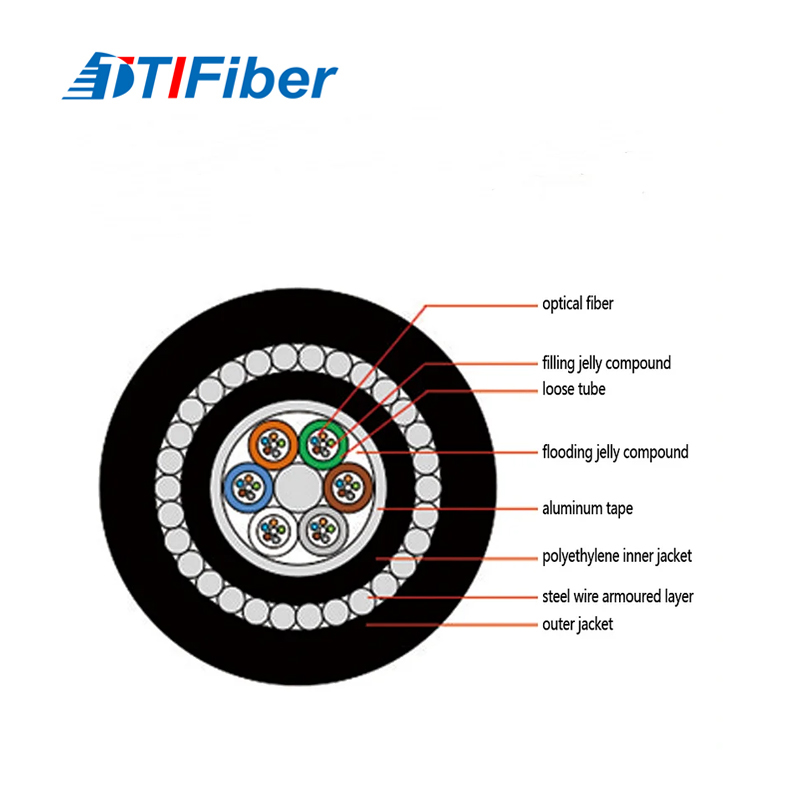
The steel used in SWA cables is not high-carbon tool steel, nor is it brittle cast iron. It is specifically low-carbon (mild) steel wire, typically containing less than 0.25% carbon.
What Kind of Steel Is Used in the SWA Layer

So what exactly does “correct” installation entail? Where do standards draw the line between best practice and code compliance? And why is grounding not just an electrical formality—but a foundational requirement for safety, reliability, and longevity?
What Do Electrical Codes Specifically Require for SWA Grounding
In a market where “SWA” can be loosely applied to substandard products, how do you ensure the cable you’re purchasing will truly perform as expected over its 25+ year design life? Verification isn’t optional—it’s essential. And it must happen before the cable leaves the factory, not after it fails in the field.
How Do You Verify the Quality of SWA Fiber Optic Cable
