



catalogs
Subscribe to our Newsletter
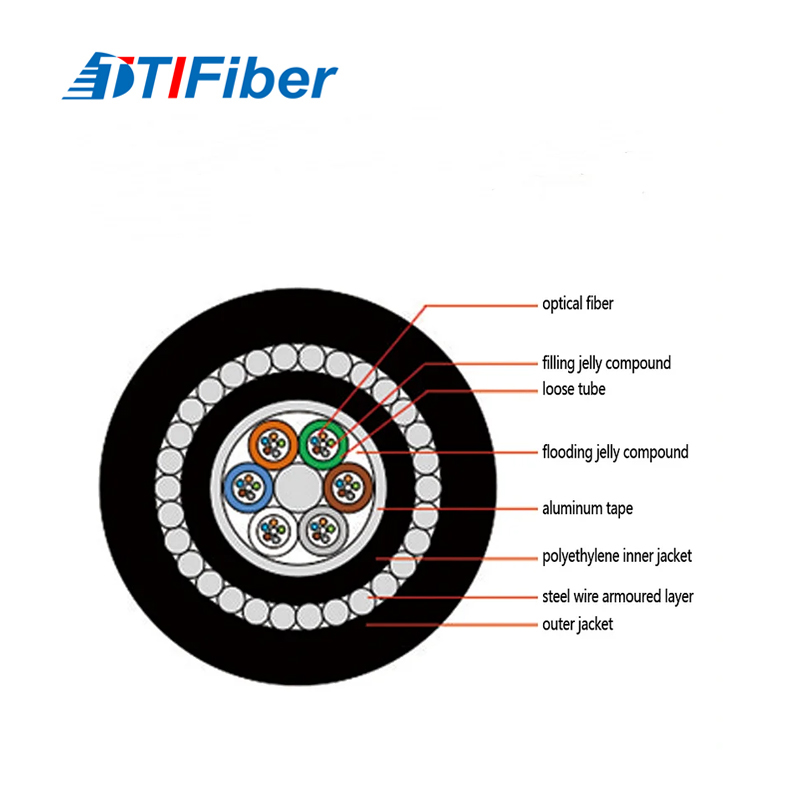 2026-09-07What Kind of Steel Is Used in the SWA LayerRead MoreThe steel used in SWA cables is not high-carbon tool steel, nor is it brittle cast iron. It is specifically low-carbon (mild) steel wire, typically containing less than 0.25% carbon.
 2026-09-03What Do Electrical Codes Specifically Require for SWA GroundingRead MoreSo what exactly does “correct” installation entail? Where do standards draw the line between best practice and code compliance? And why is grounding not just an electrical formality—but a foundational requirement for safety, reliability, and longevity?
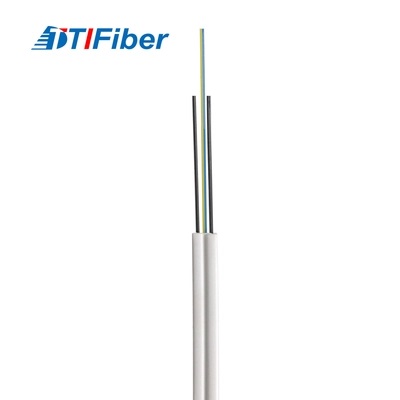 2026-09-03How Do You Verify the Quality of SWA Fiber Optic CableRead MoreIn a market where “SWA” can be loosely applied to substandard products, how do you ensure the cable you’re purchasing will truly perform as expected over its 25+ year design life? Verification isn’t optional—it’s essential. And it must happen before the cable leaves the factory, not after it fails in the field.
 2026-09-03What Is the Working Principle of an SWA Fiber Optic CableRead MoreThe core working principle is mechanical decoupling. The optical fibers inside an SWA cable never bear load, never touch metal, and never experience strain—even when the outer armor is bent, crushed, or stretched.
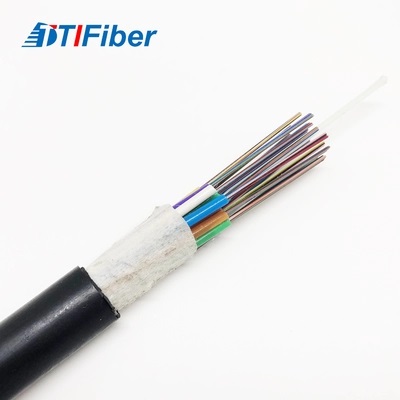 2026-09-03What Is the Raw Material of an SWA Fiber Optic CableRead MoreAt the heart of every SWA cable are the glass fibers themselves—typically ITU-T G.652.D single-mode for telecom and utility applications, or occasionally OM4/OM5 multimode for short-reach industrial links.
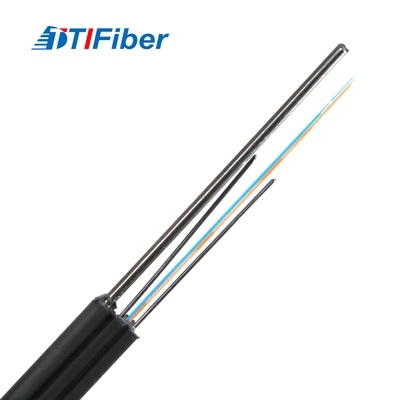 2026-09-03What Do “9/125” and “50/125” Actually MeanRead More9/125 µm: A single-mode fiber (SMF) with a 9 µm core and 125 µm cladding. 50/125 µm: A multimode fiber (MMF) with a 50 µm core and 125 µm cladding.
- 1
- 2
- 3
- 4
- 35