What Is Aluminum Wire Armoured Cable
Among the various armored solutions, Aluminum Wire Armoured (AWA) cable stands out as a masterclass in balanced engineering. It offers a unique blend of mechanical protection, lightweight flexibility, and exceptional corrosion resistance. But what exactly makes this cable tick, and why do engineers increasingly specify it over traditional steel alternatives?
Let’s explore the anatomy, application, and enduring value of AWA fiber optic cable, peeling back the layers to understand how it protects the fragile light within.

What Exactly Is Aluminum Wire Armoured (AWA) Cable?
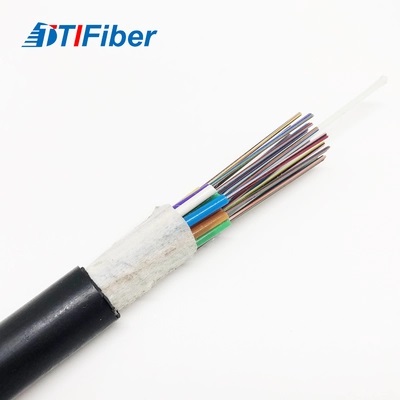
Aluminum Wire Armoured (AWA) cable is a specialized type of fiber optic cable designed to withstand severe mechanical stress and environmental hostility. Unlike standard unarmored cables that rely solely on plastic jackets and aramid yarn for protection, AWA cable incorporates a continuous layer of helically wound aluminum alloy wires wrapped around the cable core.
This metallic shield acts as a robust physical barrier. It defends the delicate glass fibers inside against crushing forces, rodent bites, accidental impacts from heavy machinery, and the slow, grinding abrasion of shifting soils. Yet, despite its formidable appearance, AWA cable remains surprisingly lightweight and flexible, making it a highly practical choice for complex routing and long-span installations.
Why Choose Aluminum Over Steel for Cable Armor?
At first glance, steel seems like the obvious choice for armor. It is famously strong and historically dominant in cable design. However, aluminum brings a suite of intelligent advantages that make it superior for specific, demanding applications:
- Exceptional Corrosion Resistance: Unlike steel, which rusts and degrades when exposed to moisture and oxygen, aluminum naturally forms a thin, hard layer of aluminum oxide on its surface. This passive layer self-heals if scratched, providing long-term immunity to rust, even in highly saline or chemically aggressive environments.
- Lightweight Design: Aluminum has roughly one-third the density of steel. This significantly reduces the overall weight of the cable, making it easier to transport, pull through long conduits, and support on aerial poles without requiring heavy-duty suspension hardware.
- Non-Magnetic Properties: Aluminum is non-magnetic. This eliminates the risk of inductive heating or voltage buildup when the cable is installed parallel to high-voltage power lines, a common scenario in utility and railway corridors.
- Non-Sparking Safety: In explosive or hazardous atmospheres (such as chemical plants or mining operations), aluminum’s non-sparking nature makes it a much safer choice than steel, which can generate dangerous sparks if struck or scraped.
What Is the Internal Architecture of an AWA Fiber Optic Cable?
To truly appreciate the resilience of AWA cable, we must look beneath the surface. Its construction is a carefully orchestrated stack of protective layers, each serving a distinct, vital purpose.
The Optical Core and Buffer Tubes
At the very heart of the cable lie the optical fibers themselves—typically ITU-T G.652.D single-mode or OM4 multimode glass strands. These fibers are incredibly fragile, so they are housed within rigid loose buffer tubes made of Polybutylene Terephthalate (PBT). These tubes are filled with a water-blocking gel or dry superabsorbent polymer (SAP) tapes. This design allows the fibers to "float" freely within the tube, isolating them from external tensile stress, temperature fluctuations, and microbending losses.
The Aluminum Wire Armor Layer
Wrapped helically around the cable core is the defining feature: the aluminum wire armor. Manufacturers typically use high-strength aluminum alloys (such as the AA8000 series) that offer an optimal balance of tensile strength and ductility. The wires are precision-wound with a specific lay length to ensure the cable remains flexible enough to bend around corners without the wires buckling or separating. This layer absorbs the brunt of external crushing forces and rodent attacks, acting as a flexible chainmail for the optical core.
The Outer Sheath and Environmental Seals
The final line of defense is the outer jacket, usually extruded from high-density polyethylene (HDPE) for outdoor use, or Low Smoke Zero Halogen (LSZH) compound for indoor or confined spaces. This sheath is formulated with carbon black or UV stabilizers to resist sunlight degradation. Beneath this jacket, a moisture-blocking tape or aluminum-polyethylene laminate (APL) often seals the armor layer, ensuring that even if the outer jacket is nicked, water cannot wick longitudinally down the cable.

How Does AWA Cable Perform in Corrosive Environments?
Corrosion is the silent killer of underground infrastructure. In coastal regions, the salt-laden air and soil rapidly accelerate the rusting of steel-armored cables, leading to volume expansion, sheath rupture, and eventual fiber failure.
AWA cable thrives in these exact conditions. The aluminum oxide layer that forms on the wires is chemically stable and highly resistant to chlorides and sulfates. Whether buried in acidic peat bogs, laid in coastal trenches, or routed through industrial facilities with chemical runoff, AWA cable maintains its structural integrity for decades. It doesn’t just resist the environment; it quietly outlasts it.
Does AWA Cable Require Grounding Like Steel Wire Armoured (SWA) Cable?
This is a critical question for electrical safety. While aluminum is highly corrosion-resistant, it is still an electrically conductive metal. Therefore, yes, AWA cable generally requires proper grounding, though the rationale differs slightly from steel.
According to electrical codes like the NEC (National Electrical Code) and IEC standards, metallic cable sheaths must be bonded to earth to safely dissipate induced voltages from nearby power lines or lightning strikes. However, because aluminum is non-magnetic, it does not suffer from the severe inductive heating that steel armor can experience.
Crucially, when terminating AWA cable, installers must use non-magnetic glands (such as brass or aluminum alloy). Using a standard steel gland on an aluminum-armored cable can create a galvanic cell in the presence of moisture, leading to rapid galvanic corrosion at the termination point.
Where Are the Best Real-World Applications for AWA Cable?
AWA cable is not a one-size-fits-all solution, but it is the undisputed champion in several specific scenarios:
- Coastal and Marine Environments: Where salt spray and saline soils would quickly destroy steel armor.
- Chemical and Petrochemical Plants: Where non-sparking properties and resistance to chemical corrosion are mandatory for safety.
- Railway and Utility Corridors: Where cables must run parallel to high-voltage lines, benefiting from aluminum’s non-magnetic nature.
- Rodent-Prone Areas: The hard aluminum wires provide an excellent physical deterrent against gnawing animals.
- Aerial Installations: Its lightweight nature reduces the load on suspension clamps and poles, minimizing sag over long spans.
For network planners seeking reliable, custom-engineered solutions for these challenging environments, partnering with a dedicated manufacturer like TTI Fiber ensures that every specification is met with precision and care.
How Does TTI Fiber Ensure the Highest Quality in AWA Cable Manufacturing?
When evaluating the resilience of an AWA cable, the manufacturer’s commitment to quality is paramount. This is where industry leaders like TTI Fiber distinguish themselves in the market.
High-quality AWA cable is not just about wrapping wire around a tube; it requires rigorous material science and process control. TTI Fiber ensures excellence by sourcing premium, certified aluminum alloys that guarantee consistent tensile strength and flexibility. Furthermore, their manufacturing process includes strict quality gates: 100% optical testing of the fiber cores, precise control of the armor lay length to prevent birdcaging, and comprehensive environmental testing (such as UV exposure and water penetration tests) on the final jacket. This end-to-end oversight guarantees that the cable leaving the factory is ready to survive the real world.
What Are the Installation Best Practices for AWA Cable?
Even the best-engineered cable can fail if installed improperly. To preserve the integrity of AWA cable, technicians must adhere to strict best practices:
- Respect the Bend Radius: Never bend the cable tighter than 20 times its overall diameter during installation. Sharp bends can deform the aluminum wires and induce microbending loss in the fibers. are critical. Always use a dynamometer and pull from the central strength member or a dedicated pulling eye, never directly from the armor or the fibers.
- Use Compatible Glands: As mentioned, always terminate AWA cable with brass or aluminum glands to prevent galvanic corrosion. Ensure the gland properly grips the armor wires to provide mechanical strain relief.
- Proper Grounding: Establish a low-impedance bond to the site’s grounding system at both ends of the cable run to safely manage any induced electrical currents.
How Does AWA Compare to Other Armored Cable Types?
To make an informed choice, it helps to see how AWA stacks up against its peers:
- vs. Corrugated Steel Tape (CST): CST is cheaper and highly flexible, making it great for standard direct burial. However, it offers lower tensile strength and is vulnerable to rust if the tape is breached. AWA offers superior tensile strength and absolute rust immunity.
- vs. Steel Wire Armoured (SWA): SWA provides the ultimate in crush and tensile strength, making it ideal for rocky, unstable ground. However, it is heavy, stiff, and requires meticulous galvanization to prevent rust. AWA is the lighter, corrosion-proof alternative for environments where extreme rock-crushing force is less of a concern than chemical or moisture exposure.
What Should You Look for When Sourcing High-Quality AWA Cable?
Not all armored cables are created equal. When procuring AWA cable, look beyond the lowest price and demand verifiable quality. Trusted manufacturers, such as TTI Fiber, provide comprehensive material certifications that you should insist upon:
- Alloy Certification: Proof that the aluminum wires meet recognized standards (e.g., ASTM or EN) for tensile strength and elongation.
- Fiber Attenuation Reports: Documentation showing the optical fibers meet ITU-T standards (e.g., ≤0.20 dB/km at 1550 nm).
- Sheath Specifications: Confirmation that the outer jacket is UV-stabilized (for outdoor use) and meets relevant fire safety standards (like IEC 60332 for flame retardancy).
- Warranty and Traceability: A clear lot-number tracking system and a robust manufacturer’s warranty (often 20+ years) demonstrate confidence in the product’s longevity.
Is Aluminum Wire Armor the Future of Resilient Fiber Networks?
As our global digital infrastructure expands into increasingly hostile and remote environments, the demand for intelligent, lightweight, and corrosion-resistant solutions will only grow. The days of relying solely on heavy, rust-prone steel for every application are giving way to smarter material choices.
Aluminum Wire Armoured cable represents this evolution. It proves that true strength does not always mean brute force; sometimes, it means adaptability, chemical resilience, and thoughtful design. Companies like TTI Fiber are at the forefront of this evolution, ensuring that the backbone of our digital world remains unbroken, no matter the conditions.
By choosing the right armor, we do more than just protect a cable. We protect the seamless flow of information, the reliability of critical services, and the future of global connectivity.
What Is Aluminum Wire Armoured Cable?
In the vast, invisible web of global communications, fiber optic cables are the silent arteries carrying the lifeblood of our digital world. But when these cables are routed through harsh industrial plants, buried in corrosive coastal soils, or strung across railway lines, they face relentless physical and environmental threats. This is where armor becomes not just a feature, but a necessity.
Among the various armored solutions, Aluminum Wire Armoured (AWA) cable stands out as a masterclass in balanced engineering. It offers a unique blend of mechanical protection, lightweight flexibility, and exceptional corrosion resistance. But what exactly makes this cable tick, and why do engineers increasingly specify it over traditional steel alternatives?
Let’s explore the anatomy, application, and enduring value of AWA fiber optic cable, peeling back the layers to understand how it protects the fragile light within.
What Exactly Is Aluminum Wire Armoured (AWA) Cable?
Aluminum Wire Armoured (AWA) cable is a specialized type of fiber optic cable designed to withstand severe mechanical stress and environmental hostility. Unlike standard unarmored cables that rely solely on plastic jackets and aramid yarn for protection, AWA cable incorporates a continuous layer of helically wound aluminum alloy wires wrapped around the cable core.
This metallic shield acts as a robust physical barrier. It defends the delicate glass fibers inside against crushing forces, rodent bites, accidental impacts from heavy machinery, and the slow, grinding abrasion of shifting soils. Yet, despite its formidable appearance, AWA cable remains surprisingly lightweight and flexible, making it a highly practical choice for complex routing and long-span installations.
Why Choose Aluminum Over Steel for Cable Armor?
At first glance, steel seems like the obvious choice for armor. It is famously strong and historically dominant in cable design. However, aluminum brings a suite of intelligent advantages that make it superior for specific, demanding applications:
- Exceptional Corrosion Resistance: Unlike steel, which rusts and degrades when exposed to moisture and oxygen, aluminum naturally forms a thin, hard layer of aluminum oxide on its surface. This passive layer self-heals if scratched, providing long-term immunity to rust, even in highly saline or chemically aggressive environments.
- Lightweight Design: Aluminum has roughly one-third the density of steel. This significantly reduces the overall weight of the cable, making it easier to transport, pull through long conduits, and support on aerial poles without requiring heavy-duty suspension hardware.
- Non-Magnetic Properties: Aluminum is non-magnetic. This eliminates the risk of inductive heating or voltage buildup when the cable is installed parallel to high-voltage power lines, a common scenario in utility and railway corridors.
- Non-Sparking Safety: In explosive or hazardous atmospheres (such as chemical plants or mining operations), aluminum’s non-sparking nature makes it a much safer choice than steel, which can generate dangerous sparks if struck or scraped.
What Is the Internal Architecture of an AWA Fiber Optic Cable?
To truly appreciate the resilience of AWA cable, we must look beneath the surface. Its construction is a carefully orchestrated stack of protective layers, each serving a distinct, vital purpose.
The Optical Core and Buffer Tubes
At the very heart of the cable lie the optical fibers themselves—typically ITU-T G.652.D single-mode or OM4 multimode glass strands. These fibers are incredibly fragile, so they are housed within rigid loose buffer tubes made of Polybutylene Terephthalate (PBT). These tubes are filled with a water-blocking gel or dry superabsorbent polymer (SAP) tapes. This design allows the fibers to "float" freely within the tube, isolating them from external tensile stress, temperature fluctuations, and microbending losses.
The Aluminum Wire Armor Layer
Wrapped helically around the cable core is the defining feature: the aluminum wire armor. Manufacturers typically use high-strength aluminum alloys (such as the AA8000 series) that offer an optimal balance of tensile strength and ductility. The wires are precision-wound with a specific lay length to ensure the cable remains flexible enough to bend around corners without the wires buckling or separating. This layer absorbs the brunt of external crushing forces and rodent attacks, acting as a flexible chainmail for the optical core.
The Outer Sheath and Environmental Seals
The final line of defense is the outer jacket, usually extruded from high-density polyethylene (HDPE) for outdoor use, or Low Smoke Zero Halogen (LSZH) compound for indoor or confined spaces. This sheath is formulated with carbon black or UV stabilizers to resist sunlight degradation. Beneath this jacket, a moisture-blocking tape or aluminum-polyethylene laminate (APL) often seals the armor layer, ensuring that even if the outer jacket is nicked, water cannot wick longitudinally down the cable.
How Does AWA Cable Perform in Corrosive Environments?
Corrosion is the silent killer of underground infrastructure. In coastal regions, the salt-laden air and soil rapidly accelerate the rusting of steel-armored cables, leading to volume expansion, sheath rupture, and eventual fiber failure.
AWA cable thrives in these exact conditions. The aluminum oxide layer that forms on the wires is chemically stable and highly resistant to chlorides and sulfates. Whether buried in acidic peat bogs, laid in coastal trenches, or routed through industrial facilities with chemical runoff, AWA cable maintains its structural integrity for decades. It doesn’t just resist the environment; it quietly outlasts it.
Does AWA Cable Require Grounding Like Steel Wire Armoured (SWA) Cable?
This is a critical question for electrical safety. While aluminum is highly corrosion-resistant, it is still an electrically conductive metal. Therefore, yes, AWA cable generally requires proper grounding, though the rationale differs slightly from steel.
According to electrical codes like the NEC (National Electrical Code) and IEC standards, metallic cable sheaths must be bonded to earth to safely dissipate induced voltages from nearby power lines or lightning strikes. However, because aluminum is non-magnetic, it does not suffer from the severe inductive heating that steel armor can experience.
Crucially, when terminating AWA cable, installers must use non-magnetic glands (such as brass or aluminum alloy). Using a standard steel gland on an aluminum-armored cable can create a galvanic cell in the presence of moisture, leading to rapid galvanic corrosion at the termination point.
Where Are the Best Real-World Applications for AWA Cable?
AWA cable is not a one-size-fits-all solution, but it is the undisputed champion in several specific scenarios:
- Coastal and Marine Environments: Where salt spray and saline soils would quickly destroy steel armor.
- Chemical and Petrochemical Plants: Where non-sparking properties and resistance to chemical corrosion are mandatory for safety.
- Railway and Utility Corridors: Where cables must run parallel to high-voltage lines, benefiting from aluminum’s non-magnetic nature.
- Rodent-Prone Areas: The hard aluminum wires provide an excellent physical deterrent against gnawing animals.
- Aerial Installations: Its lightweight nature reduces the load on suspension clamps and poles, minimizing sag over long spans.
For network planners seeking reliable, custom-engineered solutions for these challenging environments, partnering with a dedicated manufacturer like TTI Fiber ensures that every specification is met with precision and care.
How Does TTI Fiber Ensure the Highest Quality in AWA Cable Manufacturing?
When evaluating the resilience of an AWA cable, the manufacturer’s commitment to quality is paramount. This is where industry leaders like TTI Fiber distinguish themselves in the market.
High-quality AWA cable is not just about wrapping wire around a tube; it requires rigorous material science and process control. TTI Fiber ensures excellence by sourcing premium, certified aluminum alloys that guarantee consistent tensile strength and flexibility. Furthermore, their manufacturing process includes strict quality gates: 100% optical testing of the fiber cores, precise control of the armor lay length to prevent birdcaging, and comprehensive environmental testing (such as UV exposure and water penetration tests) on the final jacket. This end-to-end oversight guarantees that the cable leaving the factory is ready to survive the real world.
What Are the Installation Best Practices for AWA Cable?
Even the best-engineered cable can fail if installed improperly. To preserve the integrity of AWA cable, technicians must adhere to strict best practices:
- Respect the Bend Radius: Never bend the cable tighter than 20 times its overall diameter during installation. Sharp bends can deform the aluminum wires and induce microbending loss in the fibers. are critical. Always use a dynamometer and pull from the central strength member or a dedicated pulling eye, never directly from the armor or the fibers.
- Use Compatible Glands: As mentioned, always terminate AWA cable with brass or aluminum glands to prevent galvanic corrosion. Ensure the gland properly grips the armor wires to provide mechanical strain relief.
- Proper Grounding: Establish a low-impedance bond to the site’s grounding system at both ends of the cable run to safely manage any induced electrical currents.
How Does AWA Compare to Other Armored Cable Types?
To make an informed choice, it helps to see how AWA stacks up against its peers:
- vs. Corrugated Steel Tape (CST): CST is cheaper and highly flexible, making it great for standard direct burial. However, it offers lower tensile strength and is vulnerable to rust if the tape is breached. AWA offers superior tensile strength and absolute rust immunity.
- vs. Steel Wire Armoured (SWA): SWA provides the ultimate in crush and tensile strength, making it ideal for rocky, unstable ground. However, it is heavy, stiff, and requires meticulous galvanization to prevent rust. AWA is the lighter, corrosion-proof alternative for environments where extreme rock-crushing force is less of a concern than chemical or moisture exposure.
What Should You Look for When Sourcing High-Quality AWA Cable?
Not all armored cables are created equal. When procuring AWA cable, look beyond the lowest price and demand verifiable quality. Trusted manufacturers, such as TTI Fiber, provide comprehensive material certifications that you should insist upon:
- Alloy Certification: Proof that the aluminum wires meet recognized standards (e.g., ASTM or EN) for tensile strength and elongation.
- Fiber Attenuation Reports: Documentation showing the optical fibers meet ITU-T standards (e.g., ≤0.20 dB/km at 1550 nm).
- Sheath Specifications: Confirmation that the outer jacket is UV-stabilized (for outdoor use) and meets relevant fire safety standards (like IEC 60332 for flame retardancy).
- Warranty and Traceability: A clear lot-number tracking system and a robust manufacturer’s warranty (often 20+ years) demonstrate confidence in the product’s longevity.
Is Aluminum Wire Armor the Future of Resilient Fiber Networks?
As our global digital infrastructure expands into increasingly hostile and remote environments, the demand for intelligent, lightweight, and corrosion-resistant solutions will only grow. The days of relying solely on heavy, rust-prone steel for every application are giving way to smarter material choices.
Aluminum Wire Armoured cable represents this evolution. It proves that true strength does not always mean brute force; sometimes, it means adaptability, chemical resilience, and thoughtful design. Companies like TTI Fiber are at the forefront of this evolution, ensuring that the backbone of our digital world remains unbroken, no matter the conditions.
By choosing the right armor, we do more than just protect a cable. We protect the seamless flow of information, the reliability of critical services, and the future of global connectivity.


What Are the Core Optical Fibers Made Of?
What Kind of Steel Is Used in the SWA Layer
Related Article